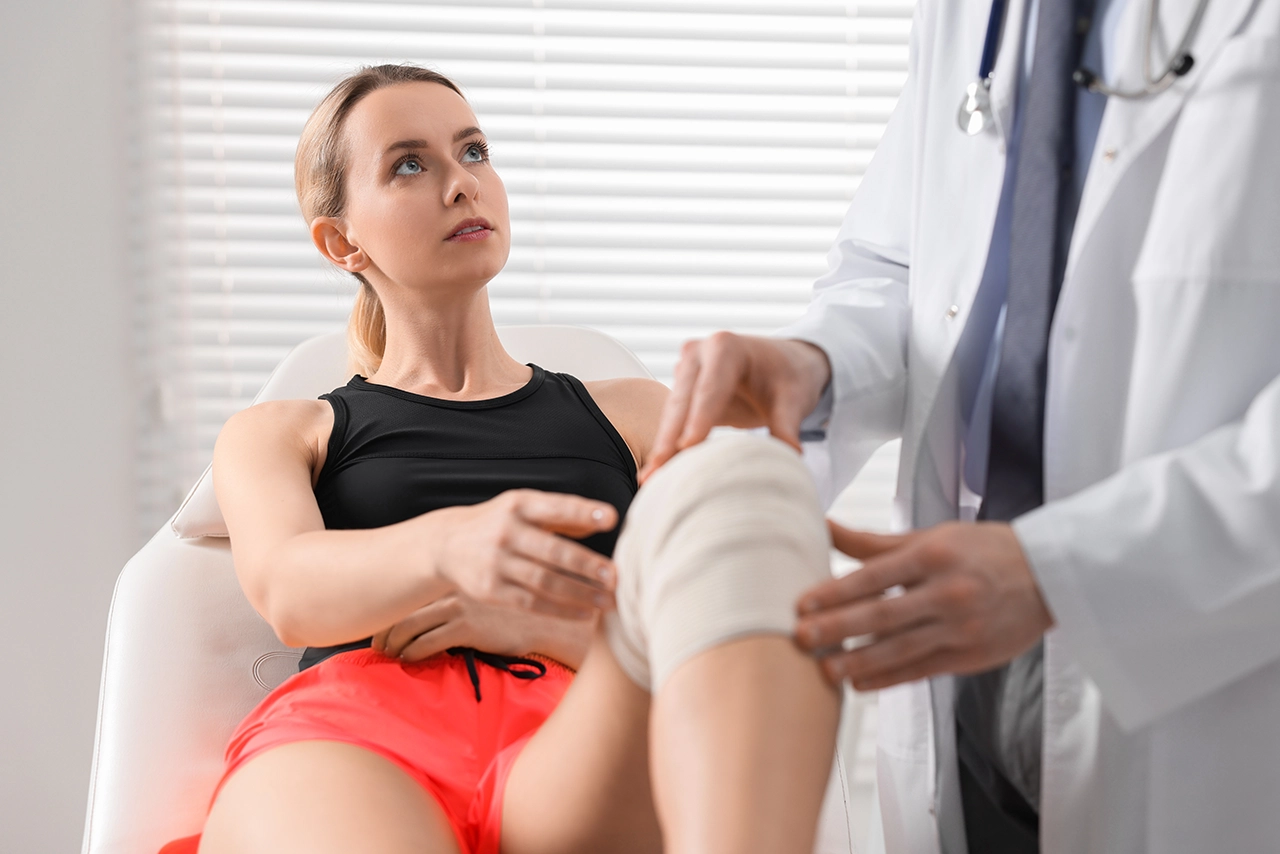
An injury can interrupt your exercise routine, affect your daily activities, and make even simple movements uncomfortable. Whether you experience knee pain after running, a twisted ankle during a game, or shoulder discomfort after lifting weights, getting the right medical advice is important. Searching for a sports injury doctor near you can help you identify a qualified professional who understands exercise-related injuries.
Sports medicine focuses on evaluating, treating, and preventing injuries associated with physical activity. Depending on your condition, you may need a sports medicine physician, an orthopedic specialist, or a physical therapist.
In 2026, you can explore local clinics through online directories, healthcare websites, and recommendations from other medical professionals. This guide explains how to find a suitable specialist, understand common treatment options, and prepare for your appointment.
What Is a Sports Injury Doctor?
A sports injury doctor is a healthcare professional who evaluates injuries related to exercise, athletic performance, and physical activity. These injuries can affect muscles, joints, bones, ligaments, and tendons.
Sports medicine physicians commonly treat both competitive athletes and people who exercise for general health. You may benefit from an evaluation if you experience pain during workouts, difficulty moving a joint, or an injury that prevents you from participating in your favorite activity.
Depending on their qualifications and the condition being treated, sports medicine doctors may recommend medication, diagnostic tests, rehabilitation, or changes to your exercise routine. They can also coordinate care with other specialists when necessary.
Some injuries respond to nonsurgical treatment, while more complicated conditions may require an orthopedic surgeon or another specialist.
Common Sports Injuries That Need Medical Attention
Knee Injuries
Knee problems are common among runners, cyclists, weightlifters, and people who play sports involving jumping or sudden changes in direction.
Symptoms may include pain, swelling, stiffness, instability, or difficulty walking. Possible causes include ligament injuries, tendon problems, cartilage damage, and overuse conditions.
A healthcare professional can examine the knee and determine whether further testing or specialist treatment is appropriate.
Ankle Sprains
An ankle sprain occurs when the ligaments supporting the ankle stretch or tear. It can happen when you land awkwardly, twist your foot, or change direction suddenly.
Mild sprains may improve with appropriate care, but severe pain, substantial swelling, deformity, or difficulty bearing weight can indicate a more serious injury. Seek prompt medical assessment when these symptoms occur.
Muscle Strains
Muscle strains develop when muscle fibers are overstretched or damaged. They frequently affect the hamstrings, calves, shoulders, and back.
The severity can range from mild soreness to a significant injury that limits movement. A sports medicine professional can assess the injury and recommend a suitable recovery plan.
Shoulder and Elbow Problems
Shoulder and elbow injuries may develop during swimming, throwing, tennis, or strength training. Pain, weakness, swelling, and reduced movement can interfere with exercise and everyday tasks.
If symptoms persist, return repeatedly, or become worse, arrange an evaluation with a qualified healthcare professional.
Overuse Injuries
Overuse injuries occur when repeated movements place more stress on the body than it can adequately recover from. Examples include certain tendon injuries, shin splints, and stress injuries.
Treatment may involve adjusting your training schedule, modifying specific activities, and following a structured rehabilitation program.
How to Find a Sports Injury Doctor Near Me
Finding the right specialist involves checking qualifications, services, location, and experience with your particular condition.
Search Online for Local Specialists
Start with a search engine or map service. These search terms can help you identify nearby providers:
- Sports injury doctor near me
- Sports medicine physician near me
- Sports injury clinic near me
- Orthopedic specialist near me
- Knee injury doctor near me
- Ankle injury specialist near me
- Sports physical therapy near me
Include your city or neighborhood to narrow the results. Visit the clinic’s official website to review its services, provider credentials, contact information, and appointment options.
Ask Your Primary Care Doctor
If you are unsure which specialist you need, your primary care doctor can assess your symptoms and recommend the next step.
Depending on the injury, they may provide initial treatment or refer you to a sports medicine physician, orthopedic specialist, or physical therapist.
Check the Doctor’s Qualifications
Look for a licensed healthcare professional with training relevant to your condition.
Sports medicine physicians can evaluate many exercise-related injuries. Orthopedic specialists focus on conditions affecting the musculoskeletal system and may assess injuries that require surgical treatment.
Physical therapists help patients improve movement, strength, flexibility, and function through rehabilitation. Their role differs from that of a physician, so choose a provider based on your medical needs.
Compare Clinics and Patient Feedback
Patient reviews may offer insight into communication, appointment scheduling, and general experiences at a clinic. However, online ratings should not be the only factor in your decision.
Check whether the provider has experience treating your particular injury and whether follow-up care is available.
Review Insurance and Treatment Costs
Before scheduling an appointment, contact the clinic and your insurance company to confirm coverage. Ask whether you need a referral and whether the provider is included in your insurance network.
You may also want to check the cost of the consultation, diagnostic imaging, and rehabilitation sessions. Understanding these expenses can help you plan your care.
What to Expect at Your First Appointment
Your first visit generally begins with questions about your symptoms, exercise habits, medical history, and how the injury occurred.
The doctor may ask when the pain started, which movements make it worse, and whether you have experienced a similar injury before.
A physical examination may include checking swelling, tenderness, joint movement, muscle strength, and stability. The specific tests depend on the affected area and the suspected cause.
If necessary, the doctor may recommend an X-ray, ultrasound, or MRI. Not every injury requires imaging; the decision depends on your symptoms and examination findings.
After the assessment, the healthcare professional will explain the likely diagnosis and discuss appropriate treatment options.
Sports Injury Treatment and Recovery
Treatment depends on the type and severity of the injury. Some conditions improve with temporary activity modification and rehabilitation, while others need additional medical intervention.
Your healthcare provider may recommend reducing activities that aggravate the injury, using suitable pain management, or following specific exercises.
Physical therapy can help restore strength, flexibility, balance, and normal movement when appropriate. A rehabilitation plan should match your injury and progress as your condition improves.
Avoid returning to demanding exercise simply because the pain has decreased. Symptoms may improve before the injured tissues are ready for full activity. Follow your clinician’s advice and return gradually.
If pain becomes worse, swelling increases, or new symptoms develop, contact your healthcare provider.
When Should You Seek Emergency Care?
Some sports injuries need urgent attention rather than a routine appointment.
Seek emergency medical care for an obvious deformity, an open fracture, severe uncontrolled bleeding, or a limb that becomes cold or numb after an injury. Severe pain accompanied by major swelling may also require urgent evaluation.
If you cannot bear weight after an injury or suspect a fracture or dislocated joint, seek prompt medical care. Do not try to force a dislocated joint back into place.
Head injuries accompanied by confusion, loss of consciousness, repeated vomiting, worsening headaches, seizures, or unusual difficulty staying awake require emergency assessment.
Chest pain, severe breathing difficulty, or collapse during exercise also requires immediate emergency assistance.
How to Prevent Future Sports Injuries
Although not every injury can be prevented, good training habits may reduce your risk.
Warm up before intense activity and increase workout intensity gradually. Use appropriate footwear and equipment, learn correct techniques, and avoid making sudden increases in training volume.
Allow sufficient recovery time between demanding sessions. Maintain adequate hydration and pay attention to persistent pain or unusual fatigue.
If you experience repeated injuries, consider asking a qualified professional to review your training routine, movement patterns, and recovery plan.
Frequently Asked Questions
How do I find the best sports injury doctor near me?
Search for licensed sports medicine physicians and orthopedic specialists in your area. Review their qualifications, experience with your condition, clinic services, and insurance arrangements before booking.
Should I visit a sports medicine doctor or an orthopedic specialist?
A sports medicine physician can evaluate many exercise-related injuries and recommend nonsurgical care. An orthopedic specialist may be appropriate for certain bone, joint, tendon, and ligament injuries. Your primary care doctor can help determine where to start.
Can a sports injury heal without medical treatment?
Some minor injuries improve with appropriate self-care, but not all injuries are minor. Seek professional advice for severe, worsening, recurring, or persistent symptoms.
Does health insurance cover sports injury treatment?
Coverage depends on your insurance plan, location, provider, and treatment. Contact your insurer and clinic to confirm benefits and potential out-of-pocket expenses.
How long does recovery from a sports injury take?
Recovery time varies according to the injury, its severity, your general health, and the treatment plan. Some injuries improve relatively quickly, while others require weeks or months of rehabilitation.
Conclusion
Finding a sports injury doctor near you is an important step when pain or an injury interferes with physical activity. A qualified healthcare professional can evaluate your condition, explain treatment options, and help you understand how to return to exercise safely.
Begin by researching local sports medicine clinics, reviewing provider qualifications, and confirming insurance coverage. Seek urgent care when serious symptoms appear, and follow professional guidance throughout recovery.
With appropriate assessment, individualized treatment, and a gradual return to activity, you can work toward restoring movement and getting back to the sports and exercises you enjoy.