Blog

  • Best Travel Insurance Providers in 2026: Top Companies and Coverage Options

    Best Travel Insurance Providers in 2026: Top Companies and Coverage Options

    Traveling gives you the opportunity to explore new places, experience different cultures, and create lasting memories. However, unexpected events can turn an enjoyable trip into an expensive experience. A medical emergency, canceled flight, delayed baggage, or sudden change in travel plans can create financial stress when you are far from home.

    Travel insurance can help reduce some of these risks by providing financial protection for covered situations. Depending on the policy, benefits may include emergency medical expenses, trip cancellation, travel interruption, baggage protection, and emergency assistance.

    With many insurance companies offering different plans, choosing the right provider can feel confusing. The best travel insurance providers in 2026 are those that offer suitable coverage, clear policy terms, reliable assistance, and pricing that fits your budget. This guide explores several companies worth comparing and explains how to select a plan for your next journey.

    Why Travel Insurance Is Important

    Travel insurance can provide valuable protection when unexpected problems occur before or during a trip. Even a carefully planned vacation can be affected by illness, accidents, severe weather, or transportation disruptions.

    Medical coverage is particularly important for international travel. Healthcare expenses in another country can be substantial, and your regular health insurance may not cover treatment abroad or emergency transportation back home.

    Trip cancellation coverage can also be useful when a covered event prevents you from traveling as planned. Depending on the policy, eligible prepaid expenses that cannot be refunded by airlines, hotels, or tour operators may qualify for reimbursement.

    Other benefits may cover certain baggage losses, travel delays, or additional accommodation expenses. However, no policy covers every possible situation. Understanding the conditions and exclusions is essential before purchasing insurance.

    Top Travel Insurance Providers to Consider in 2026

    Several established companies offer travel insurance products in different markets. Their policies vary, so compare the plans available to residents of your country rather than assuming every product is offered everywhere.

    1. Allianz Travel Insurance

    Allianz Travel Insurance is a popular name to research when comparing travel protection. Depending on the market and selected plan, its products may include emergency medical benefits, trip cancellation, trip interruption, and assistance services.

    Travelers may be able to choose from different coverage levels according to their needs and budgets. Some plans focus on medical protection, while others combine several travel-related benefits.

    Allianz may be suitable for people who want to compare multiple types of coverage from an established provider. Before buying a policy, review the medical limits, cancellation conditions, deductibles, and exclusions.

    It is also important to understand how the claims process works and which documents you may need to provide if an unexpected event affects your trip.

    2. World Nomads

    World Nomads is an option frequently considered by independent travelers, backpackers, and people planning active holidays.

    Depending on the policy, coverage may include emergency medical expenses, certain travel interruptions, baggage-related benefits, and selected adventure activities.

    Travelers planning hiking trips or other outdoor adventures should examine the activity exclusions carefully. Some activities may require additional coverage, while others may not be covered at all.

    World Nomads may be worth comparing if your itinerary includes several destinations or activities beyond ordinary sightseeing. Check the eligibility rules, medical benefit limits, and conditions for purchasing or extending a policy.

    Because availability and terms can differ by country, confirm that the product is suitable for your residence and travel plans before applying.

    3. AXA Travel Insurance

    AXA offers travel insurance products in various countries, with benefits that depend on the selected plan and local availability.

    Depending on the policy, coverage may include emergency medical treatment, trip cancellation, travel interruption, baggage protection, and assistance services.

    AXA is worth considering if you want to compare different protection options for domestic or international travel. The most suitable plan will depend on your destination, trip duration, and the expenses you want to protect.

    Before purchasing, examine the policy limits and conditions for making a claim. Review whether medical evacuation, pre-existing conditions, and your planned activities are included or subject to restrictions.

    Checking the insurer’s emergency assistance arrangements can also help you understand what support may be available if a problem occurs abroad.

    4. International Medical Group (IMG)

    International Medical Group, commonly known as IMG, offers international insurance products, including travel medical coverage for eligible travelers.

    IMG may be worth researching if your main concern is obtaining medical protection while away from home. Different products may serve tourists, international visitors, and people taking longer journeys.

    It is important to distinguish travel medical insurance from comprehensive trip protection. A medical-focused plan may not provide the same cancellation, baggage, or travel delay benefits as a comprehensive policy.

    Compare deductibles, coverage limits, emergency evacuation provisions, and exclusions before selecting a product. Travelers with pre-existing medical conditions should confirm whether their circumstances qualify for coverage.

    5. Generali Global Assistance

    Generali Global Assistance offers travel protection plans in selected markets. Depending on the product, benefits may include trip cancellation, trip interruption, emergency medical expenses, and assistance services.

    This provider may appeal to travelers looking for several types of protection within one plan. However, the actual benefits and reimbursement limits depend on the policy purchased.

    When comparing Generali with other companies, review the reasons for cancellation that qualify for reimbursement, the amount of prepaid expenses covered, and any requirements for purchasing the policy.

    Do not assume that changing your mind or deciding not to travel automatically qualifies for a refund. Cancellation benefits generally depend on the specific circumstances described in the policy.

    These providers are starting points for research rather than a definitive ranking. Availability, prices, and benefits can change, so verify current details directly with each company.

    Types of Travel Insurance Coverage to Understand

    Knowing the main coverage categories can help you compare policies more effectively.

    Emergency medical coverage may help pay for eligible medical treatment following an illness or injury during a trip. Check the maximum benefit, deductible, and applicable exclusions.

    Emergency medical evacuation may cover medically necessary transportation to an appropriate medical facility under the policy’s conditions.

    Trip cancellation coverage may reimburse certain prepaid, non-refundable travel expenses when a covered event prevents departure.

    Trip interruption coverage may help with eligible expenses if a covered event forces you to end a trip early or change your arrangements.

    Baggage protection may provide benefits for qualifying incidents involving lost, stolen, damaged, or delayed luggage.

    Travel delay coverage may reimburse certain additional expenses when a qualifying delay disrupts your itinerary.

    Not all plans include every benefit. Some policies also impose specific limits, waiting periods, or documentation requirements.

    How to Select the Best Travel Insurance Plan

    Start by considering your destination and the length of your trip. A short domestic vacation may require different protection from an extended international journey.

    Next, examine any insurance you already have. Your health plan, credit card, employer benefits, or existing travel policy may offer some coverage. Check the limits carefully because certain benefits may apply only when specific booking or payment conditions are met.

    Compare prices using similar coverage levels. A cheaper plan may have a higher deductible, lower medical limits, or fewer covered cancellation reasons.

    If you have a pre-existing medical condition, read the policy’s medical eligibility rules. Some plans have stability requirements or exclusions that could affect your coverage.

    Finally, review customer support arrangements, emergency contact details, and the claims process. Keep your policy documents accessible during the trip and save the insurer’s emergency telephone number.

    What Affects the Cost of Travel Insurance?

    The price of travel insurance depends on several factors. These can include your age, destination, trip duration, total prepaid travel costs, medical coverage limits, and selected benefits.

    A basic policy with limited protection may cost less than a comprehensive plan that covers both medical emergencies and eligible prepaid expenses.

    Older travelers and people taking longer trips may pay higher premiums, depending on the insurer’s pricing rules and the coverage selected.

    To find suitable value, request quotes from several providers using the same trip details. Compare not only the premium but also the deductible, coverage limits, exclusions, and benefits.

    The lowest-priced policy is not necessarily the best option. A slightly more expensive plan may provide more appropriate protection for your particular journey.

    Frequently Asked Questions

    Which travel insurance provider is best in 2026?

    The best provider depends on your country of residence, destination, budget, and coverage needs. Allianz, World Nomads, AXA, IMG, and Generali are examples worth comparing.

    Does travel insurance cover medical emergencies abroad?

    Many policies include emergency medical coverage, but the amount and conditions vary. Review the benefit limits, exclusions, and requirements before purchasing.

    Should I buy travel insurance for a short vacation?

    Even a short trip can involve unexpected medical expenses or travel disruptions. Whether insurance is worthwhile depends on your existing protection, destination, and financial circumstances.

    When should I purchase travel insurance?

    Buying a policy soon after making eligible travel bookings may help you qualify for certain time-sensitive benefits. Check the insurer’s purchase deadlines and eligibility requirements.

    Conclusion

    Choosing the best travel insurance provider in 2026 requires careful comparison of medical protection, cancellation benefits, policy exclusions, and overall cost. Allianz Travel Insurance, World Nomads, AXA, IMG, and Generali are useful starting points when researching available plans.

    Before making a decision, consider your destination, travel activities, existing insurance, and the expenses you want to protect. Read the policy documents carefully and confirm that the selected plan is available to travelers in your country.

    With the right preparation, travel insurance can help reduce the financial impact of certain unexpected events and make it easier to manage problems during your journey.

  • Best Travel Rewards Credit Cards in Canada for 2026: Top Picks and Benefits

    Best Travel Rewards Credit Cards in Canada for 2026: Top Picks and Benefits

    Travel rewards credit cards can make everyday purchases more valuable by helping Canadians earn points toward future trips. Depending on the card, rewards may be used for flights, hotel stays, rental cars, and other eligible travel expenses. Some cards also include benefits such as travel insurance, airport lounge access, or savings on purchases made abroad.

    With several options available in Canada, finding the right card can take some research. A card with a generous welcome bonus may look attractive, but its annual fee, everyday earning rates, and redemption rules are equally important. The best choice is one that matches your spending habits and travel preferences.

    Whether you travel internationally several times a year or take an occasional family vacation, comparing your options can help you find a card that offers practical value. Here is a closer look at some travel rewards credit cards to consider in 2026.

    How Travel Rewards Credit Cards Work

    Travel rewards credit cards let you collect points or miles when you make eligible purchases. The number of rewards you earn depends on the card’s earning structure and the type of purchase.

    Some cards provide higher rewards on groceries, restaurants, entertainment, or travel bookings. Others focus on airline purchases or hotel stays. Once you accumulate enough points, you may be able to redeem them for eligible travel expenses or other rewards.

    Flexible rewards programs are useful for travelers who prefer different airlines and hotels. Airline-linked programs can be more suitable for people who regularly fly with the same carrier.

    Before applying, understand how the rewards program works. Check redemption restrictions, point expiration policies, booking requirements, and any extra charges. These details can make a significant difference in the actual value you receive.

    Top Travel Rewards Credit Cards in Canada for 2026

    Several Canadian credit cards offer features worth comparing. The right option depends on whether you prioritize everyday rewards, airline benefits, international spending, or flexible travel bookings.

    1. Scotiabank Gold American Express Card

    The Scotiabank Gold American Express Card is an option for Canadians who want to earn Scene+ points through eligible everyday spending. It may appeal to people who frequently spend on groceries, dining, entertainment, and travel.

    One of its notable features is the absence of foreign transaction fees on eligible foreign-currency purchases, subject to the card’s terms. This can be helpful for people who regularly shop internationally or travel outside Canada.

    The card also includes certain travel insurance benefits. Coverage limits, eligibility requirements, and exclusions apply, so reviewing the insurance documents before relying on these protections is important.

    Consider the annual fee and the rewards you can realistically earn. Also check whether American Express is accepted at the stores and restaurants you use most often.

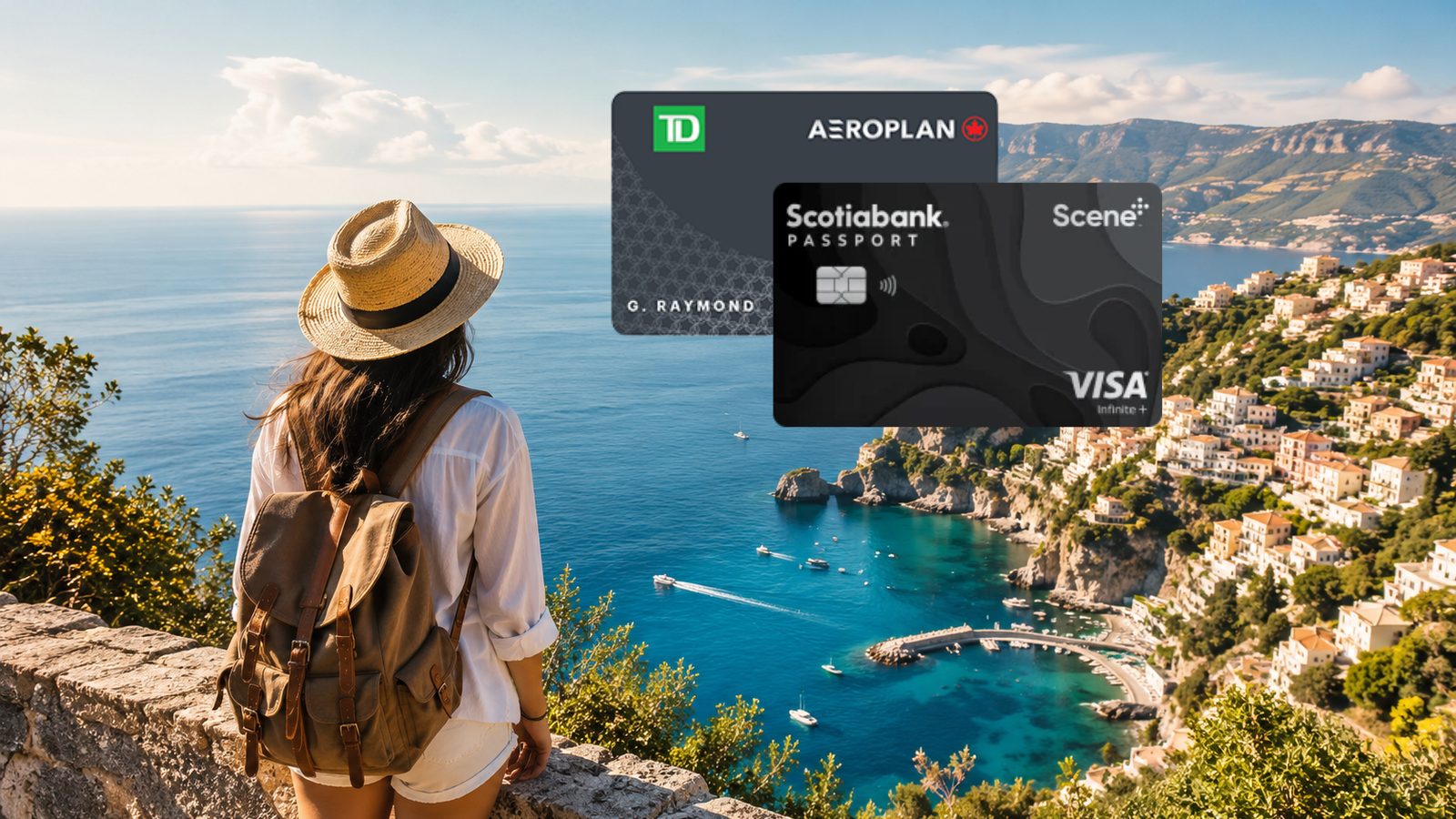
    2. Scotiabank Passport Visa Infinite Card

    The Scotiabank Passport Visa Infinite Card may suit frequent travelers who want flexible rewards and additional travel-related benefits.

    Card features include Scene+ rewards, airport lounge access subject to program conditions, and no foreign transaction fees on eligible purchases made in foreign currencies. These benefits may be particularly useful for people who travel internationally.

    However, a card’s value depends on how often you use its features. Airport lounge access may be attractive to frequent flyers but less useful to someone who takes only one short trip each year.

    Review the annual fee, current welcome offer, eligibility requirements, and insurance provisions before applying. Comparing these costs with your expected benefits can help you decide whether the card makes financial sense.

    3. American Express Cobalt Card

    The American Express Cobalt Card is worth considering for Canadians who spend regularly on eligible food and dining purchases.

    Its Membership Rewards program offers different earning rates across selected spending categories. Depending on the applicable program rules, points may provide access to travel-related redemption options.

    This card may be a good fit for people who want to earn rewards throughout the year rather than relying mainly on travel bookings. Everyday purchases can gradually build a points balance for future use.

    However, merchant acceptance is an important consideration. Not every business accepts American Express, so think about where you normally shop before choosing this card.

    Compare the monthly fee, eligible purchase categories, and current rewards terms to determine whether it suits your budget.

    4. TD Aeroplan Visa Infinite Card

    The TD Aeroplan Visa Infinite Card is designed for people interested in earning Aeroplan points. It may be particularly appealing to travelers who frequently fly with Air Canada or use the Aeroplan loyalty program.

    Eligible purchases earn points that can be redeemed for qualifying rewards under the program’s rules. Depending on the current card terms, additional airline-related benefits may also be available.

    An airline-focused card can be useful when your travel habits consistently align with one loyalty program. However, it may offer less flexibility if you regularly choose different airlines based on price or destination.

    Before applying, review the annual fee, earning rates, welcome bonus, eligibility requirements, and redemption conditions. Check whether the benefits match the way you normally book flights.

    5. TD First Class Travel Visa Infinite Card

    The TD First Class Travel Visa Infinite Card offers another option for Canadians who want to earn travel-related rewards from everyday spending.

    Through the TD Rewards program, eligible purchases can generate points that may be redeemed according to the program’s terms. This can appeal to people who prefer a bank-based rewards system rather than a program connected to one airline.

    When evaluating this card, examine the current earning rates, annual fee, welcome offer, and travel redemption process. Check whether booking restrictions or other conditions affect how you can use your points.

    As with any rewards card, the introductory offer should not be the only deciding factor. Long-term earning potential and the benefits you expect to use are equally important.

    Card offers, fees, eligibility criteria, and benefits may change. Confirm all current details directly with the card issuer before applying.

    How to Choose a Card That Matches Your Travel Style

    Start by thinking about the kind of trips you take. If you frequently fly with Air Canada, an Aeroplan card may be worth comparing with other options. If you prefer choosing whichever airline offers the best price, a flexible rewards program may be more suitable.

    Your everyday spending also matters. A card that rewards groceries and restaurants may help you earn points steadily without changing your routine.

    Next, compare annual fees. A premium card may provide valuable benefits, but those benefits are only worthwhile if you use them. Estimate the value of the rewards you expect to earn and compare it with the card’s total cost.

    Pay attention to reward redemption rules as well. The number of points earned does not tell the whole story. Consider how much travel you can obtain with those points, whether availability is restricted, and whether additional taxes or fees apply.

    Finally, review the card’s eligibility requirements. Income criteria, credit history, and other conditions may affect whether you qualify.

    Travel Benefits Worth Comparing

    Rewards points are only one part of a travel credit card’s value. Additional features can help protect you against unexpected expenses or make a journey more convenient.

    Travel medical insurance: Some cards offer emergency medical coverage when you meet the policy conditions. Review age limits, trip duration restrictions, and exclusions.

    Trip cancellation and interruption coverage: This may provide protection for certain covered events that affect travel plans. The circumstances and reimbursement limits depend on the policy.

    Rental car insurance: Certain cards include coverage for eligible rental vehicles. Check the vehicle restrictions, rental period limits, and payment requirements.

    Airport lounge access: Some cards provide lounge visits through a participating program. Confirm the number of visits allowed and any guest fees or registration requirements.

    Foreign transaction fees: Cards that waive these fees on eligible purchases may help reduce international spending costs. Check the exact terms and any currency conversion charges.

    Never assume that every card includes all these benefits. Read the official terms before making a decision.

    Tips for Maximizing Your Travel Rewards

    The most effective way to benefit from a rewards card is to use it responsibly. Pay your statement balance in full by the due date whenever possible. Interest charges can easily outweigh the value of the rewards you earn.

    Use your card for regular expenses you can afford rather than making unnecessary purchases to collect more points. Track your rewards balance and learn the program’s redemption rules before booking a trip.

    Compare the cash price of a flight or hotel with the value offered through your rewards program. A redemption that uses many points may not always provide the best value, especially when additional fees apply.

    You should also review your card periodically. If you stop traveling frequently or your spending patterns change, another card may suit you better. Before closing an account or applying for several new cards, consider the potential effect on your credit profile.

    Frequently Asked Questions

    What is the best travel rewards credit card in Canada for 2026?

    The best card depends on your needs. Scotiabank Gold American Express may suit people seeking everyday rewards and no foreign transaction fees, while TD Aeroplan Visa Infinite may appeal to frequent Air Canada travelers. Verify current terms before applying.

    Are travel rewards credit cards worth the annual fee?

    They can be worthwhile if the rewards and benefits you actually use exceed the annual fee. Calculate your likely value instead of relying solely on advertised bonuses.

    Can I use travel rewards for flights and hotels?

    Many programs allow eligible travel redemptions, but the available options vary. Review the program’s rules to understand how points can be used and whether additional charges apply.

    Do Canadian travel credit cards include travel insurance?

    Some do, but coverage differs by card. Read the insurance certificate to understand limits, exclusions, eligibility conditions, and how to make a claim.

    Conclusion

    The best travel rewards credit cards in Canada for 2026 offer different advantages for different types of travelers. Options such as the Scotiabank Gold American Express Card, Scotiabank Passport Visa Infinite Card, American Express Cobalt Card, and TD Aeroplan Visa Infinite Card are worth researching when comparing rewards and travel benefits.

    Before choosing a card, consider its annual fee, everyday earning rates, redemption flexibility, insurance coverage, and foreign transaction fees. Select an option that complements your existing spending habits rather than encouraging you to spend more.

    With careful comparison and responsible credit management, a suitable travel rewards card can help you earn useful benefits while preparing for future adventures.

  • Canada Mexico Travel Warning 2026: Latest Advisories and Safety Tips

    Canada Mexico Travel Warning 2026: Latest Advisories and Safety Tips

    Mexico continues to attract Canadian travelers looking for sunny beaches, exciting cities, cultural experiences, and relaxing vacations. From the resorts of Cancún to the historic streets of Mexico City, the country offers a wide range of places to explore. However, anyone planning a visit in 2026 should understand the latest travel advice and take time to prepare for potential safety concerns.

    A Canada Mexico travel warning refers to information and recommendations provided by Canadian authorities about possible risks when visiting Mexico. These advisories help travelers understand local security conditions, identify areas that may require extra caution, and make informed decisions before departure.

    Travel conditions can change quickly, and safety levels are not the same throughout the country. Checking official government updates is therefore an essential step when organizing a vacation. This guide explains what Canadian travelers should know about Mexico travel advisories, how to prepare for their journey, and where to find reliable information.

    What Does the Canada Mexico Travel Warning Mean?

    The Government of Canada publishes destination-specific travel advice to help citizens prepare for international trips. Its Mexico advisory provides information about security risks, regional conditions, and precautions that visitors should consider.

    Depending on the circumstances, the guidance may address violent crime, theft, demonstrations, transportation disruptions, severe weather, and other potential concerns. It may also identify specific areas where travelers should exercise a high degree of caution or avoid non-essential travel.

    A travel advisory should not be interpreted as a statement that every destination in Mexico presents the same level of danger. The situation in a major tourist resort may differ considerably from conditions in a rural community or a particular border region.

    Travelers should read the full advisory instead of relying on a headline or a brief social media post. Pay attention to the locations mentioned, the recommended precautions, and the date of the latest update.

    It is also important to remember that an advisory is not a guarantee of what will happen during a trip. Conditions may change after a traveler has booked a hotel or arrived at a destination. Staying informed throughout the journey is just as important as checking information before leaving Canada.

    Why Mexico Travel Safety Matters in 2026

    Mexico offers attractive holiday options for people with different budgets and interests. Visitors can enjoy coastal resorts, historical attractions, traditional cuisine, outdoor activities, and vibrant local markets. Nevertheless, travelers should understand the potential risks associated with their chosen destinations.

    Crime is one of the main subjects covered by many international travel advisories. Depending on the area, visitors may encounter theft, robbery, scams, vehicle-related crime, or more serious security incidents.

    Transportation can also become a concern when local conditions change. An incident in a particular area may affect road access, public transportation, or travel between nearby destinations. Travelers who plan to visit several cities should check route information before setting off.

    Weather conditions deserve attention as well. Tropical storms, hurricanes, heavy rainfall, and extreme temperatures can affect some parts of Mexico at different times of the year. These conditions may cause flight delays, temporary closures, or changes to outdoor activities.

    The best approach is to assess the information relevant to your own itinerary. Rather than making assumptions about the entire country, review current guidance for each destination and prepare accordingly.

    Mexico Destinations Canadian Tourists Should Research

    Mexico has a wide variety of destinations, and each location has its own travel considerations. Popular places include Cancún, Playa del Carmen, Tulum, Puerto Vallarta, Los Cabos, and Mexico City.

    These destinations attract visitors for different reasons. Some are known for beach resorts, while others offer restaurants, museums, nightlife, shopping, and cultural attractions. However, popularity does not eliminate the need to follow safety advice.

    Before booking accommodation, research the neighborhood where you plan to stay. Check the distance to major attractions, transportation options, and any regional recommendations listed in the Canadian government’s travel advisory.

    If your vacation includes a road trip, review advice for the areas along your route as well as your final destination. Conditions may vary between cities and neighboring regions.

    Avoid relying on outdated travel articles that may describe circumstances from a previous year. An area that received attention in an older news report may have different conditions today, while new concerns may arise elsewhere.

    For the most accurate picture, consult the official Mexico advisory at Travel.gc.ca and review any location-specific information that applies to your plans.

    Practical Safety Tips for Canadians Traveling to Mexico

    A little preparation can make international travel easier and help reduce common risks. Canadian visitors should begin by keeping important documents secure.

    Store your passport, payment cards, and identification in a safe place. Carry only the items you need during daily outings, and keep copies of important documents separately from the originals.

    Choose transportation carefully. Use reputable providers and confirm that a vehicle and driver match your booking before getting in. If you use a taxi or ride-hailing service, follow the provider’s recommended safety procedures.

    Be aware of your surroundings in crowded places, including markets, transportation hubs, tourist attractions, and nightlife areas. Keep your phone and valuables secure, and avoid displaying large amounts of cash.

    When exploring after dark, choose well-used routes and reliable transportation. Ask your hotel or another trusted local source about getting around safely and whether particular areas require extra caution.

    Travelers renting a car should review local driving requirements, insurance conditions, and current advice about their intended route. Avoid making assumptions about road safety simply because a journey appears short on a map.

    It is also sensible to share your travel plans with a trusted person at home. Keep your phone charged, save important contact numbers, and know how to contact local emergency services if necessary.

    Travel Insurance and Medical Preparation

    Travel insurance can provide important financial protection during a vacation. Medical care, emergency transportation, canceled flights, and unexpected accommodation expenses can be costly when traveling abroad.

    Before buying a policy, read its terms and conditions carefully. Check the limits for emergency medical expenses, hospital treatment, medical evacuation, trip interruption, and cancellation.

    Pay particular attention to exclusions involving government travel advisories. Some policies restrict coverage under certain circumstances when travelers visit destinations against official recommendations. The exact conditions depend on the insurer and the policy, so ask questions before purchasing coverage.

    Keep your insurer’s emergency number and policy details accessible while traveling. A digital copy can be convenient, but having an additional copy available offline is helpful if your internet connection fails.

    If you take prescription medication, plan ahead to ensure you have an appropriate supply for the trip. Research any applicable rules for carrying medication across international borders.

    It is also useful to identify reputable medical facilities near your accommodation. Travelers with specific medical needs should discuss their preparations with a qualified healthcare professional before departure.

    What to Check Before Leaving Canada

    A successful trip begins with research and realistic planning. Before departing, review the following details.

    Official travel advice: Read the current Canadian government advisory for Mexico. Check the overall recommendations and any regional warnings relevant to your itinerary.

    Passport and entry requirements: Confirm that your travel documents meet the applicable requirements. Check whether additional documentation is needed for your nationality, purpose of travel, or length of stay.

    Flights and accommodation: Review airline updates, hotel policies, and cancellation terms. Flexible arrangements may help if unexpected changes affect your plans.

    Local transportation: Research how you will travel between the airport, hotel, and planned attractions. If you intend to drive, check current guidance for the roads you expect to use.

    Emergency contacts: Save the contact information for your accommodation, insurance provider, and relevant emergency services. Canadian travelers should also know where to find consular assistance.

    Weather forecasts: Check conditions close to your departure date, particularly if your itinerary includes beaches, outdoor activities, or travel during storm-prone seasons.

    Completing these checks can help you identify potential problems before they disrupt your holiday.

    Where to Find Reliable Mexico Travel Updates

    For Canadian citizens, the Government of Canada’s official travel advice website is the most important starting point.

    Visit Travel.gc.ca and search for Mexico. The official advisory provides country-specific guidance, safety recommendations, regional information, and details about obtaining assistance abroad.

    Airlines can provide information about flight changes and airport disruptions. Hotels and reputable local service providers may also share useful updates about their immediate area, although their information should not replace official government advice.

    Check the advisory shortly before your departure and continue monitoring relevant updates during your stay. If authorities issue new instructions, follow them and reconsider your plans when necessary.

    For serious emergencies, contact local emergency services. If you need help from Canadian officials, consult the Government of Canada’s official information about consular assistance.

    Avoid treating viral videos, anonymous posts, or isolated news reports as complete descriptions of conditions throughout Mexico. Use reliable sources to confirm what is happening and whether it affects your destination.

    Frequently Asked Questions

    Is Mexico safe for Canadian travelers in 2026?

    Conditions differ by region and can change over time. Many Canadians travel to Mexico, but visitors should review the latest government advice, research their destination, and take appropriate precautions.

    Where can I check the latest Canada Mexico travel warning?

    Visit Travel.gc.ca and search for Mexico. The Government of Canada’s advisory is the recommended source for current official travel guidance.

    Do travel warnings mean Canadians should cancel their vacations?

    Not necessarily. The appropriate decision depends on the advisory’s specific recommendations, the destination, and individual circumstances. Travelers should review official guidance and contact their airline, tour operator, or insurer when needed.

    Should I buy travel insurance before visiting Mexico?

    Travel insurance is worth considering because medical treatment and unexpected travel disruptions can be expensive. Compare policies carefully and understand any exclusions related to travel advisories.

    Can Mexico travel advisories change during a vacation?

    Yes. Government recommendations can change when security conditions, weather events, or other circumstances develop. Monitor official updates and follow instructions from local authorities.

    Conclusion

    The Canada Mexico travel warning is an important topic for Canadians planning an international vacation in 2026. Understanding official recommendations, researching individual destinations, arranging suitable insurance, and preparing for emergencies can help travelers make better-informed decisions.

    Mexico offers a broad range of experiences, from relaxing beach holidays to cultural attractions and exciting city visits. However, responsible planning is essential, especially when local conditions may change.

    Before leaving Canada, check the latest advisory from the Government of Canada, review any regional guidance that applies to your itinerary, and remain aware of developments during your stay. With careful preparation and sensible precautions, you can approach your travel plans with greater confidence.

  • Beach Fashion Trends 2026: Top Styles, Outfits, and Accessories

    Beach Fashion Trends 2026: Top Styles, Outfits, and Accessories

    Getting ready for a beach trip is more fun when you have outfits that feel comfortable, look great, and suit the occasion. Beach fashion in 2026 offers plenty of ways to put together a stylish summer wardrobe, whether you love colorful swimsuits, relaxed linen clothing, flowy dresses, or simple accessories. The best part is that you do not need to spend a fortune to look good by the water.

    A successful beach outfit should work for your plans. What you wear for swimming may be different from what you choose for a seaside restaurant or an afternoon exploring a coastal town. Having a few versatile pieces makes it easier to move between activities without packing too many clothes.

    From swimwear and cover-ups to sandals, bags, and sunglasses, here are some beach fashion ideas to inspire your 2026 wardrobe.

    1. Swimwear Styles for a Fresh Beach Look

    Swimwear is usually the first thing people think about when planning a beach outfit. Finding a swimsuit that fits well and feels comfortable can make your time at the beach much more enjoyable.

    One-piece swimsuits remain a reliable choice for women who prefer a classic look. Simple black designs are easy to style, while square necklines, textured fabrics, and colorful patterns offer something a little different. One-piece styles can also work well under shorts or a lightweight shirt when you want to create a casual outfit away from the water.

    Bikinis offer plenty of variety, too. High-waisted bottoms, triangle tops, and coordinated sets make it easy to find a style that suits your preferences. You can choose a solid color for a timeless appearance or experiment with floral prints and tropical patterns.

    If you enjoy swimming or playing beach games, look for swimwear that stays comfortably in place while you move. Adjustable straps and supportive designs can be particularly helpful.

    When shopping, focus on fit, fabric quality, and comfort rather than choosing a swimsuit simply because it is fashionable. The right swimwear should suit your body, activities, and personal taste.

    2. Cover-Ups That Make Beach Dressing Easier

    A good cover-up is one of the most useful items in a beach wardrobe. It lets you move from the sand to a café, hotel, or nearby shop without needing to change your entire outfit.

    An oversized button-down shirt is a simple option that works with almost any swimsuit. Wear it open for a relaxed look or tie it at the waist for a little more shape. White and beige shirts are especially versatile, although pale blue and soft pink can add a fresh seasonal touch.

    Sarongs are another practical choice. They can be wrapped around the waist like a skirt or styled in different ways to create a lightweight beach outfit. A colorful sarong can also make a plain swimsuit look more interesting.

    Crochet cover-ups, cotton tunics, and loose shirt dresses provide additional options. They are easy to wear over swimwear and can offer more coverage when needed.

    Choose lightweight materials that feel comfortable in warm weather. If you plan to visit restaurants or shops after swimming, bring clothing that provides enough coverage for the setting.

    3. Colors and Prints to Try in 2026

    Beach fashion is a great opportunity to experiment with color. Bright shades and playful prints can bring personality to your outfit, while neutral tones create a more understated look.

    Ocean blue and turquoise are natural choices for seaside clothing. They work well with white cover-ups, denim shorts, and simple sandals.

    Coral and orange bring warmth to summer outfits. A coral swimsuit or orange beach bag can make a simple combination feel more lively.

    White and cream are timeless options. A white linen shirt can be worn over colorful swimwear, while a cream dress creates an elegant look for a relaxed afternoon.

    Pastel pink and lavender suit women who prefer softer colors. These shades can be used in swimsuits, dresses, scarves, and accessories.

    Green tones such as sage, mint, and tropical green offer a fresh alternative to traditional beach colors.

    Floral and tropical prints are useful when you want something more expressive. Palm leaves, flowers, and abstract patterns can make an outfit feel ready for a summer holiday.

    You do not have to combine every color or pattern at once. Try wearing one standout piece with neutral clothing to create a look that feels balanced and easy to wear.

    4. Linen Outfits for Relaxed Beach Style

    Linen is a useful fabric for beach trips because it is lightweight and breathable. It also works well for outfits that feel relaxed without looking careless.

    A linen shirt and matching shorts create a simple combination for walking along the beach or visiting a nearby café. If you prefer longer bottoms, try linen trousers with a tank top or sleeveless blouse.

    An oversized linen shirt can also double as a cover-up over a swimsuit. Later in the day, wear it with denim shorts or a casual skirt for a different look.

    Neutral shades such as sand, beige, cream, and white are easy to mix and match. For a little more color, consider linen pieces in blue, green, or coral.

    One thing to remember is that linen wrinkles easily. This is normal for the fabric and often contributes to its relaxed appearance. Choose pieces that feel comfortable and suit the climate of your destination.

    5. Dresses and Matching Sets for Beach Vacations

    When you are on holiday, simple outfits can save time and make packing easier. Beach dresses and coordinated sets are useful because they look complete without requiring much styling.

    A flowing maxi dress is a good option for an evening walk or dinner at a seaside restaurant. Midi dresses work well for daytime outings, while shorter sundresses are convenient for casual activities in warm weather.

    Matching sets are equally practical. A coordinated shirt and shorts combination can be worn for sightseeing or a relaxed lunch. A matching skirt and top can create a slightly dressier outfit without feeling too formal.

    For daytime activities, pair a cotton dress with flat sandals and sunglasses. For an evening look, switch to more polished footwear, add a small handbag, and wear simple jewelry.

    Think about comfort when choosing these pieces. Breathable fabrics and designs that allow easy movement are particularly helpful when spending several hours outdoors.

    6. Comfortable Footwear for the Beach

    Footwear can affect how much you enjoy your beach day. The best choice depends on whether you plan to relax by the water, walk along the shore, explore a coastal town, or spend time at a resort.

    Flat sandals are easy to wear with dresses, shorts, and linen trousers. Slides are convenient around swimming pools, while adjustable sandals may provide a more secure fit for walking.

    If you expect to spend hours exploring, supportive sandals or lightweight sneakers may be more comfortable than thin flip-flops. Water shoes can also be helpful in rocky areas or places where extra foot protection is needed.

    Neutral colors such as black, beige, white, and tan work with many different outfits. If you enjoy a more colorful look, bright sandals can add an interesting detail to a simple dress or swimsuit cover-up.

    Consider the surface and weather before choosing footwear. Hot sand, slippery paths, and uneven ground can make some shoes impractical. Comfort and safety should always come before appearance.

    7. Accessories That Bring an Outfit Together

    The right accessories can make a basic beach outfit feel more personal. They can also provide practical benefits when you spend time outdoors.

    A wide-brimmed hat or baseball cap can help shade your face, while sunglasses are useful on bright days. Choose sunglasses that fit comfortably and provide appropriate UV protection.

    A woven tote bag is a practical option for carrying a towel, sunscreen, water bottle, and other essentials. A smaller crossbody bag may be more convenient when you leave the beach to visit shops or restaurants.

    Jewelry can add a finishing touch, but expensive pieces may not be ideal around water. Simple earrings or inexpensive bracelets can complement your outfit without creating unnecessary worry about losing them.

    Lightweight scarves are another versatile accessory. You can tie one around your hair, attach it to your bag, or use it to add a little color to neutral clothing.

    Remember to pack the practical essentials as well. Sunscreen, drinking water, and suitable sun protection matter more than decorative accessories when spending long periods outdoors.

    8. Beach Outfit Ideas for Different Plans

    A few simple outfit combinations can make packing for a beach vacation much easier. You can adjust each look to suit your destination and personal style.

    For a classic beach day: Wear your favorite swimsuit with an open white linen shirt, flat sandals, and sunglasses.

    For a tropical getaway: Combine a colorful swimsuit with a printed sarong and a woven tote bag. Comfortable sandals are useful for walking around the resort.

    For a seaside lunch: Pair linen trousers with a sleeveless top, flat sandals, and a small handbag. This look is relaxed but still feels polished.

    For a beach walk: Choose comfortable shorts, a cotton T-shirt, supportive sandals, and a baseball cap.

    For a feminine summer look: Wear a floral sundress with simple sandals and delicate jewelry. This outfit is suitable for sightseeing or a casual daytime gathering.

    For an evening by the water: Choose a flowing maxi dress, elegant flat sandals, and a small bag. Bring a light layer if the temperature drops after sunset.

    For a poolside afternoon: Wear a swimsuit with a loose cover-up, comfortable slides, and a sun hat.

    These combinations provide a starting point rather than strict fashion rules. Change the colors, footwear, and accessories to create outfits that feel like your own.

    9. How to Create a Beach Wardrobe on a Budget

    You can build a stylish beach wardrobe without purchasing a new outfit for every trip. The key is to choose versatile pieces that can be worn in several combinations.

    Start with the essentials. One or two swimsuits, a cover-up, comfortable shorts, a lightweight shirt, a casual dress, and suitable sandals can cover many situations.

    Before shopping, check your existing wardrobe. You may already have a white shirt, denim shorts, or a summer dress that works perfectly for the beach. A new accessory or different combination can make these familiar items feel fresh.

    Choose clothing that serves more than one purpose. Linen trousers can work for beach outings, sightseeing, and casual dinners. A simple dress can be worn during the day and styled differently for the evening.

    Seasonal sales and secondhand stores may help you find affordable options. Compare the quality, fit, and fabric before making a purchase, and consider how often you are likely to wear the item.

    Avoid buying something just because it appears trendy. A comfortable piece that works with several outfits will often provide more value than an item you wear only once.

    Frequently Asked Questions

    What are the main beach fashion trends for 2026?

    Versatile swimwear, lightweight cover-ups, linen clothing, flowing dresses, tropical prints, and practical accessories are useful styles to explore. Exact trends vary by brand, location, and personal preference.

    What should women wear to the beach in 2026?

    A swimsuit, cover-up, comfortable sandals, sunglasses, and a sun hat are good starting points. You can add linen trousers, a sarong, or a casual dress depending on your plans.

    Which colors work well for beach outfits?

    Ocean blue, turquoise, coral, white, cream, pastel shades, and tropical green are versatile options. Choose colors that coordinate with your swimwear and existing wardrobe.

    How can I look stylish at the beach on a budget?

    Use clothing you already own, choose mix-and-match pieces, and add a few practical accessories. A versatile cover-up and comfortable sandals can work with several different outfits.

    Conclusion

    Beach fashion trends for 2026 offer many ways to combine comfort, practicality, and personal style. Swimwear, lightweight cover-ups, linen outfits, flowing dresses, comfortable footwear, and thoughtful accessories can help you create looks for swimming, sightseeing, dining, and relaxing by the water.

    You do not need an expensive wardrobe or an overloaded suitcase to dress well on your next beach trip. Choose pieces that work together, consider the weather and activities, and prioritize clothing that makes you feel comfortable. With a little planning, you can create a beach wardrobe that looks stylish and works for your holiday.

  • Spring/Summer 2026 Fashion Trends for Women: Top Styles, Colors, and Outfit Ideas

    Spring/Summer 2026 Fashion Trends for Women: Top Styles, Colors, and Outfit Ideas

    Spring and summer are the seasons when getting dressed feels a little more exciting. The weather gets warmer, heavy coats move to the back of the closet, and lighter fabrics and fresh colors take their place. For women looking to update their wardrobes in 2026, there are plenty of ways to create stylish outfits without making fashion feel complicated.

    From breezy dresses and linen trousers to colorful accessories and comfortable everyday shoes, the best warm-weather styles combine practicality with personality. You can dress up for a special occasion, keep things casual for a weekend outing, or put together a polished work outfit with just a few well-chosen pieces.

    You also do not need to buy a completely new wardrobe to enjoy the season. Sometimes, changing how you combine your existing clothes is enough to create a fresh look. Here are some spring and summer fashion ideas to inspire your style in 2026.

    1. Flowy Dresses That Are Easy to Style

    A good dress can make getting ready in the morning much easier. You do not have to spend time matching several separate pieces, and the right design can work for everything from a casual lunch to a summer evening out.

    Flowing maxi dresses, midi dresses, shirt dresses, and simple sundresses are all worth considering for the warmer months. A floral midi dress with flat sandals is an easy choice for a weekend outing. If you prefer something more understated, a solid-colored dress with a small handbag and simple jewelry can look just as beautiful.

    Shirt dresses are especially useful because they can be styled in different ways. Wear one loosely with sneakers for a relaxed look or add a belt to create more definition around the waist.

    When choosing a dress, think about how you will actually wear it. Cotton and linen styles can feel comfortable on warm days, while lightweight dresses with sleeves may be useful during cooler spring weather. A flattering fit and comfortable fabric matter more than following a particular trend.

    2. Fresh Colors to Wear in Spring and Summer 2026

    One of the easiest ways to refresh your wardrobe is to experiment with color. You do not need to wear bright shades from head to toe. Even a colorful top, handbag, or pair of shoes can make a familiar outfit feel different.

    Pastel pink, lavender, mint green, and pale blue are lovely options for anyone who enjoys a softer look. These shades work well with white trousers, denim, and neutral skirts.

    White and cream are also useful throughout spring and summer. A simple white shirt can be worn with jeans during the day or tucked into tailored trousers for a more polished outfit. Beige and light brown are equally versatile, especially when paired with linen clothing and natural accessories.

    If you enjoy stronger colors, try coral, bright yellow, or red. A colorful blouse with neutral trousers is an easy way to make a statement without going overboard. Blue is another practical choice, ranging from soft sky blue to classic navy.

    The key is to choose colors you genuinely enjoy wearing. A wardrobe filled with shades that work together makes it easier to create different outfits without buying too many new clothes.

    3. Floral Prints and Patterns That Add Personality

    Spring and summer fashion would not feel complete without a few interesting prints. Floral patterns are a familiar seasonal favorite, but stripes, geometric designs, and abstract prints can also bring something different to your wardrobe.

    A floral dress is a natural choice for a garden party, outdoor lunch, or vacation. If you prefer a more subtle approach, try a printed blouse with plain trousers. This allows the pattern to stand out without making the entire outfit feel busy.

    Stripes are another easy option. A striped T-shirt looks great with jeans, while a striped button-down shirt can be paired with tailored shorts or a simple skirt. These combinations are comfortable enough for everyday wear but still look put together.

    You can also mix patterns if you enjoy experimenting with your style. Try combining two prints that share a similar color. If that feels like too much, stick to one patterned item and keep everything else simple.

    There is no need to choose a print just because it is popular. Pick designs that suit your personality and that you will enjoy wearing more than once.

    4. Relaxed Tailoring and Wide-Leg Trousers

    Not every stylish outfit needs to be fitted or formal. Relaxed tailoring offers a comfortable alternative for women who want clothing that looks polished without feeling restrictive.

    Wide-leg trousers are particularly useful because they can be dressed up or down. For a casual afternoon, wear linen trousers with a fitted tank top and flat sandals. For work, pair tailored wide-leg pants with a blouse and a lightweight blazer.

    Tailored shorts are another option for warm weather. They offer a slightly more structured look than denim shorts and work well with simple shirts, sleeveless tops, and loafers.

    Matching sets can also save time when you are getting dressed. A coordinated shirt and shorts combination is ideal for a relaxed holiday look, while matching trousers and a top can create a more sophisticated outfit.

    When wearing loose-fitting clothing, think about balance. Wide trousers often look good with a fitted top, while an oversized shirt can work well with more structured bottoms. However, the most important thing is to choose a combination that feels comfortable and natural to you.

    5. Lightweight Fabrics for Comfortable Dressing

    Looking good is only part of dressing for warm weather. Your clothes should also feel comfortable when temperatures rise.

    Linen is a popular choice for spring and summer because it is lightweight and breathable. Linen shirts, trousers, dresses, and shorts are easy to incorporate into a seasonal wardrobe. The fabric wrinkles naturally, so it is a good option if you appreciate a relaxed, effortless appearance.

    Cotton is another dependable material. A cotton T-shirt can be worn with almost anything, while a cotton dress or button-down shirt works well for everyday activities.

    Lightweight fabric blends can be useful too, particularly if you prefer clothes that are easier to care for. Before purchasing an item, check the fabric label and consider whether it suits your local weather.

    For particularly hot or humid days, loose-fitting clothing may feel more comfortable than tight layers. Choosing breathable fabrics and practical designs can make a noticeable difference when you spend time outdoors.

    6. Shoes That Work With Your Summer Wardrobe

    Shoes can completely change the feel of an outfit. Fortunately, spring and summer offer plenty of options for different styles and occasions.

    Flat sandals are easy to wear with dresses, skirts, and linen trousers. They are particularly useful for casual outings and holidays. If you plan to walk a lot, choose a pair with enough support to keep your feet comfortable.

    White sneakers are another wardrobe essential for many women. They work with jeans, casual dresses, shorts, and relaxed trousers. A simple pair can make an outfit look fresh without drawing too much attention.

    Ballet flats are a good option when you want something a little more polished. They pair nicely with midi skirts, dresses, and office clothing. Loafers are another practical choice for work or days when you prefer closed shoes.

    For evening events, strappy sandals or low heels can add a more dressed-up finish. You do not need to sacrifice comfort for style, though. Choose footwear that suits the occasion and allows you to move easily.

    Neutral shoes are particularly useful because they coordinate with many colors. If you are building a wardrobe on a budget, a versatile pair may be more practical than several trendy styles.

    7. Accessories That Make Simple Outfits Look Better

    Accessories are often the finishing touch that makes an outfit feel complete. They can also help you create new looks without spending money on more clothing.

    Sunglasses are a practical choice for sunny days and can add personality to a simple outfit. Woven bags and straw handbags work beautifully with linen dresses, skirts, and relaxed summer clothing. For work, a structured handbag may be more suitable.

    Jewelry is another easy way to change your look. Small earrings and delicate necklaces complement minimalist outfits, while statement earrings can make a plain dress feel more special.

    Hair clips, headbands, and lightweight scarves provide even more options. A scarf can be tied around your handbag or worn in your hair to introduce a little color.

    You do not need a large accessory collection. A few pieces that match several outfits will usually be more useful than items you can wear only once.

    8. Spring and Summer Outfit Ideas for Women

    If you sometimes stand in front of your wardrobe wondering what to wear, having a few reliable combinations can help.

    For everyday errands: Wear straight-leg jeans with a basic T-shirt and white sneakers. Add a crossbody bag and sunglasses for an easy daytime look.

    For the office: Pair tailored trousers with a lightweight blouse and loafers. A linen blazer can provide an extra layer without feeling too heavy.

    For a summer vacation: Choose a flowing maxi dress, flat sandals, and a woven bag. This outfit is comfortable for sightseeing and casual meals.

    For brunch with friends: Try a floral midi skirt with a fitted top and ballet flats. Add small earrings for a simple finishing touch.

    For a minimalist look: Combine white linen trousers with a neutral tank top, simple sandals, and a beige handbag. The coordinated colors create a clean, understated appearance.

    For an evening out: Wear a solid-colored dress with elegant sandals and a small handbag. Statement earrings can add interest without requiring additional layers.

    For a relaxed weekend: Pair tailored shorts with a striped shirt and comfortable sneakers or sandals. This combination is easy to wear for shopping, lunch, or a casual day outdoors.

    These ideas are starting points rather than strict rules. Change the colors, shoes, and accessories to suit your own taste.

    9. How to Follow Fashion Trends Without Spending Too Much

    Keeping your wardrobe updated does not have to mean shopping every month. With a little planning, you can enjoy new styles while keeping your spending under control.

    Start by looking through the clothes you already own. You may have dresses, jeans, basic tops, or skirts that can be styled in ways you have not tried before. Sometimes, a new combination makes an old item feel completely different.

    Next, identify what is genuinely missing. If you already own several dresses, perhaps a comfortable pair of sandals or a versatile handbag would be more useful than another dress.

    Try to choose pieces that work with several items in your wardrobe. A white shirt, neutral trousers, and comfortable shoes can be worn for many different occasions.

    Shopping during sales, comparing prices, and exploring secondhand stores can also help you find affordable clothing. Before buying something, consider its quality, fit, and how often you are likely to wear it.

    Most importantly, do not feel pressured to follow every trend. Personal style develops over time, and the best purchases are the ones that make you feel comfortable and confident.

    Frequently Asked Questions

    What are the main women’s fashion trends for spring and summer 2026?

    Flowing dresses, relaxed tailoring, wide-leg trousers, floral prints, lightweight fabrics, and versatile accessories are useful styles to explore. Specific trends vary across designers, brands, and regions.

    Which colors should women wear in spring and summer 2026?

    Pastel pink, lavender, white, beige, yellow, coral, and different shades of blue are versatile options. Choose colors that complement your existing wardrobe and personal preferences.

    How can I look stylish on a small budget?

    Start with the clothes you already own, try different outfit combinations, and add a few useful accessories. Shopping during sales and choosing versatile pieces can also help reduce costs.

    What fabrics are best for spring and summer?

    Cotton, linen, and suitable lightweight blends are common choices for warmer weather. Look for breathable materials and comfortable fits that suit your local climate.

    Conclusion

    Spring/summer 2026 fashion offers plenty of inspiration for women who want to refresh their style without making their wardrobes complicated. Flowy dresses, relaxed trousers, playful prints, breathable fabrics, and thoughtful accessories can help create outfits for almost any occasion.

    You do not need to own every trending item to look fashionable. Focus on pieces that fit well, colors you enjoy, and clothing that suits your everyday life. By combining a few versatile essentials with your own personal touches, you can build a wardrobe that feels fresh, comfortable, and stylish throughout spring and summer.

  • Winter Fashion Trends 2026: Top Styles, Colors, and Outfit Ideas

    Winter Fashion Trends 2026: Top Styles, Colors, and Outfit Ideas

    Winter is the perfect season to experiment with layers, cozy fabrics, stylish coats, and beautiful color combinations. Winter fashion trends in 2026 offer plenty of inspiration for anyone who wants to look fashionable while staying warm. From oversized outerwear and comfortable knitwear to elegant boots and everyday accessories, the right clothing choices can make cold-weather dressing both practical and exciting.

    You do not need an entirely new wardrobe to create attractive winter outfits. A few versatile pieces, combined with thoughtful styling, can help you achieve different looks for work, travel, shopping, and special occasions. Whether you prefer classic elegance, casual streetwear, or a minimalist wardrobe, there are many ways to make winter fashion work for your lifestyle.

    1. Oversized Coats for a Modern Winter Look

    Oversized coats are a practical option for anyone who enjoys relaxed silhouettes and comfortable layering. Their roomy shape makes it easier to wear sweaters underneath while creating an effortlessly stylish appearance.

    Long wool coats, oversized blazers, and relaxed trench coats can all become useful parts of a winter wardrobe. A camel-colored coat looks sophisticated with dark denim and ankle boots, while a black coat pairs easily with almost any outfit.

    If you prefer a more polished appearance, consider a tailored coat with defined shoulders or a belt around the waist. These details add structure without making the outfit feel too formal.

    When choosing a coat, pay attention to its length, fabric, and fit. It should provide enough room for winter layers without looking excessively loose. For particularly cold or wet weather, select outerwear designed to handle the conditions in your area.

    2. Comfortable Knitwear and Layered Sweaters

    Sweaters remain essential winter clothing because they provide warmth and work with many different styles. From chunky cable-knit designs to lightweight turtlenecks, knitwear can be dressed up or down depending on the occasion.

    A chunky sweater paired with straight-leg jeans creates an easy outfit for everyday activities. For a more refined look, wear a fitted turtleneck with tailored trousers and a long coat. Cardigans are another useful option because they can be worn over shirts, dresses, or simple tops.

    Matching knitwear sets can also simplify winter dressing. A coordinated sweater and skirt or sweater and trousers create a balanced look with minimal effort.

    Neutral shades such as cream, gray, beige, and brown are easy to combine with other clothing. If you want to introduce more color, consider burgundy, deep green, or muted blue.

    Before purchasing knitwear, check the fabric composition and care instructions. Wool and wool blends can offer warmth, while lighter cotton blends may be suitable for milder days or indoor environments.

    3. Winter Colors to Try in 2026

    Choosing the right colors can make even a simple winter outfit look carefully planned. Traditional neutrals remain useful, but richer shades and softer colors provide additional styling opportunities.

    Chocolate brown is a versatile alternative to black. Brown coats, trousers, boots, and bags work beautifully with cream, beige, denim, and white.

    Burgundy adds depth to cold-weather outfits. A burgundy sweater or scarf can become the main feature of an otherwise neutral look.

    Forest green offers a rich seasonal appearance. It pairs well with charcoal, black, brown, and cream.

    Cream and ivory create a clean and sophisticated effect. Try a cream knit sweater with beige trousers and tan boots for a coordinated outfit.

    Charcoal gray is ideal for people who prefer understated clothing. It works well with black, white, navy, and several earthy shades.

    Soft pastel colors can brighten winter dressing. Pale blue, blush pink, and lavender are good choices for sweaters, scarves, and accessories.

    These shades are useful style options for winter 2026 rather than a guarantee of what every designer or retailer will feature. Choose colors that complement your existing wardrobe instead of buying items simply because they appear fashionable.

    4. Wide-Leg Pants and Everyday Denim

    Comfortable trousers are an important part of a modern winter wardrobe. Wide-leg pants, straight-leg jeans, and relaxed denim provide room for movement and can be styled for casual or more formal occasions.

    Wide-leg trousers look especially good with fitted tops or sweaters tucked slightly into the waistband. Adding a structured coat helps balance the wider shape of the pants.

    For everyday wear, straight-leg jeans paired with a warm sweater and ankle boots offer a simple combination. Dark denim is particularly easy to style with winter coats and dressier footwear, while lighter denim creates a more relaxed appearance.

    If temperatures drop significantly, consider thermal base layers underneath your trousers. This extra layer can provide warmth without requiring heavier clothing.

    The most important detail is fit. Choose trousers that sit comfortably at the waist and have a length that works with your preferred shoes.

    5. Stylish Boots for Cold Weather

    Winter boots are both a fashion accessory and a practical necessity. A suitable pair can complete an outfit while helping protect your feet from cold temperatures and wet conditions.

    Ankle boots are among the easiest styles to wear because they pair with jeans, tailored trousers, and midi skirts. Knee-high boots can create an elegant appearance with knitted dresses and skirts, especially when worn with a long coat.

    Chelsea boots are a good option for everyday outfits, while lace-up boots can complement casual streetwear. For a more refined style, choose a simple design in black, brown, or another neutral shade.

    When shopping for boots, consider comfort and safety alongside appearance. Look for appropriate traction if you regularly walk on wet or slippery surfaces. Water-resistant materials may also be helpful in rainy or snowy conditions.

    A comfortable pair that suits your daily routine will usually be more valuable than an attractive pair that is difficult to walk in.

    6. Layering Techniques That Look Effortless

    Layering helps you stay warm while giving your outfit more depth and variety. It is particularly useful when temperatures change between outdoor and indoor environments.

    Start with a lightweight base layer, such as a thermal shirt or long-sleeved top. Add a sweater, cardigan, or fleece, then finish with a coat suitable for the weather. A scarf, hat, and gloves can provide additional protection when needed.

    Mixing textures is another way to improve a layered outfit. For example, a cotton shirt beneath a wool sweater and a structured coat creates visual interest without requiring bold patterns.

    You can also experiment with proportions. Pair a longer coat with fitted trousers or wear a slightly oversized sweater with straight-leg jeans. These combinations help the outfit feel balanced.

    Avoid adding so many heavy layers that movement becomes difficult. Lightweight pieces that fit comfortably together often provide better flexibility than several bulky garments.

    7. Accessories That Make Winter Outfits Stand Out

    Small accessories can change the appearance of an outfit without requiring a major shopping trip. Scarves, beanies, gloves, handbags, and belts are useful additions to a winter wardrobe.

    A thick scarf can add warmth and introduce a new color. A simple beanie creates a relaxed look, while leather or leather-look gloves can make a coat and trousers combination appear more polished.

    Handbags also contribute to the overall style. A structured bag works well with office clothing, while a practical crossbody bag may be more suitable for shopping or travel.

    If you prefer minimalist fashion, choose accessories in neutral colors that coordinate with several outfits. For a more expressive style, try a patterned scarf or a bag in a deeper seasonal shade.

    Remember that accessories should serve a purpose as well as look attractive. Warm gloves, comfortable hats, and weather-appropriate scarves can make winter outings more enjoyable.

    8. Winter Outfit Ideas for Every Occasion

    Having a few dependable outfit combinations makes getting dressed easier during busy winter mornings.

    Casual daily outfit: Combine straight-leg jeans, a chunky sweater, ankle boots, and a long coat. Add a scarf when the weather requires extra warmth.

    Office-ready style: Wear tailored trousers with a fine-knit turtleneck, a structured blazer, and a wool coat. Choose comfortable footwear suitable for your commute.

    Relaxed streetwear: Pair loose-fitting jeans with a sweatshirt, a puffer jacket, and sneakers or boots appropriate for local weather conditions.

    Dinner outfit: A knitted midi dress, knee-high boots, a long coat, and simple jewelry create an elegant combination without too much effort.

    Minimalist look: Combine a cream sweater, charcoal trousers, a camel coat, and brown boots. Keep the accessories simple for a coordinated appearance.

    Winter travel clothing: Choose comfortable trousers, a warm base layer, a sweater, and weather-resistant outerwear. Supportive shoes, gloves, and a hat can be useful for outdoor sightseeing.

    You can adjust each combination according to your personal style, budget, and local climate.

    9. How to Follow Winter Trends on a Budget

    Looking fashionable does not require spending a large amount of money every season. The best approach is to build a wardrobe around useful pieces that work together.

    Begin by checking the clothing you already own. You may have suitable jeans, sweaters, boots, or coats that can be styled in new ways. Identify what is missing before buying anything new.

    Invest in versatile items first. A comfortable winter coat, reliable boots, a few warm sweaters, and well-fitting trousers can create many different outfits.

    Shopping during sales or exploring secondhand stores may help you find useful pieces at lower prices. Before purchasing an item, check its quality, fit, fabric, and care requirements.

    It is also worth avoiding impulse purchases. A trendy item may look appealing in a photograph but become difficult to style with your existing clothing. Choose pieces that suit your daily activities and that you can imagine wearing regularly.

    Frequently Asked Questions

    What are the main winter fashion trends for 2026?

    Useful styles to explore include oversized coats, layered knitwear, wide-leg trousers, versatile boots, and practical accessories. The exact trends vary between designers, retailers, and regions.

    Which colors work well for winter outfits?

    Chocolate brown, burgundy, forest green, cream, charcoal gray, and soft pastels are versatile choices. Combining one or two colors with neutral basics can create a balanced look.

    How can I look fashionable in winter without spending much?

    Reuse your existing wardrobe, experiment with different combinations, and introduce a new scarf, hat, or accessory when needed. Prioritize versatile pieces that work with several outfits.

    How can I stay warm without wearing bulky clothes?

    Start with lightweight thermal clothing, add a comfortable sweater, and finish with suitable outerwear. Choosing layers that fit well together helps you stay warm while maintaining a balanced silhouette.

    Conclusion

    Winter fashion trends in 2026 provide plenty of inspiration for creating outfits that combine comfort, warmth, and personal style. Oversized coats, attractive knitwear, relaxed trousers, practical boots, and carefully selected accessories can work together to create looks for everyday activities and special occasions.

    You do not need to follow every trend to dress well. Focus on clothing that fits comfortably, colors you enjoy, and pieces that complement your lifestyle. With a thoughtful approach to layering and wardrobe planning, you can enjoy stylish winter outfits without overspending or sacrificing comfort.

  • Information Technology Resume: A Complete Guide for 2026

    Information Technology Resume: A Complete Guide for 2026

    Looking for a job in information technology can feel overwhelming, especially when you are competing with other applicants who have similar skills and qualifications. Your resume is often the first thing an employer sees, so it needs to explain your strengths clearly and show why you could be a good fit for the position.

    An information technology resume is more than a list of jobs and qualifications. It tells employers what you know, what you have worked on, and how you can use your skills to solve real problems. Whether you are a recent graduate, an experienced IT professional, or someone changing careers, a well-organized resume can help you present your background with confidence.

    In 2026, IT employers hire people for many different roles, including technical support, software development, networking, cybersecurity, and data management. Each position requires a different combination of skills. The key is to create a resume that matches the job you want instead of sending the same document to every employer.

    What Makes a Good Information Technology Resume?

    A good IT resume gives employers a clear picture of your qualifications without making them search through unnecessary details. It should highlight your relevant technical knowledge, practical experience, education, and professional achievements.

    For example, someone applying for an IT support position might emphasize computer troubleshooting, software installation, and customer service. A software developer would benefit from highlighting programming languages, development tools, and completed projects.

    Your resume should also be easy to read. Hiring managers may review many applications in a short period, so clear headings and concise descriptions can make important information easier to find.

    You do not need an elaborate design to make your resume stand out. Accurate information, relevant skills, and specific examples of your work are often more useful than complicated layouts or decorative graphics.

    How to Structure Your IT Resume

    Before writing your resume, decide which sections best represent your experience. Most IT resumes include contact information, a professional summary, technical skills, work experience, education, and certifications.

    Start with your name, email address, phone number, and location. If you have a professional LinkedIn profile, GitHub account, or portfolio website, you can include it when it supports your application.

    Next, write a short professional summary. This section should introduce your background and highlight the qualifications that matter most for the position.

    Your technical skills section should follow, particularly if the job requires specific software, programming languages, or technical knowledge. After that, describe your work experience, starting with your most recent relevant position.

    If you are new to IT, you can place your education, training, and practical projects higher on the page. This helps employers see what you have learned, even if you have not worked in a formal IT role.

    Keep the layout simple and consistent. A one-page resume is often suitable for beginners, while experienced professionals may need two pages to explain their background properly.

    Technical Skills to Include in an Information Technology Resume

    Technical skills are an important part of an IT resume because they show employers what you can actually do. The best skills to include depend on the position you are targeting.

    If you are interested in IT support, focus on troubleshooting, operating systems, hardware, software installation, and basic networking. These skills can demonstrate that you understand common technology problems and know how to approach them.

    For software development jobs, relevant skills may include Python, Java, JavaScript, version control, testing, and software development tools. Database-related positions may require SQL and experience with database management systems.

    Cybersecurity applicants can highlight network security, access management, security monitoring, and knowledge of common security threats. People interested in business intelligence may benefit from Excel, SQL, Power BI, Tableau, and data analysis.

    You should also include relevant soft skills. Communication, teamwork, organization, and problem-solving matter because IT professionals frequently work with colleagues who have different levels of technical knowledge.

    Avoid listing every tool you have encountered. Choose skills that relate to the job and that you can confidently discuss during an interview.

    How to Describe Your Work Experience

    Your work experience section should explain more than the tasks you completed each day. It should help employers understand the value you brought to your previous workplace.

    For every relevant position, include your job title, employer, employment dates, and a few short bullet points describing your responsibilities and achievements.

    For example, instead of writing that you provided computer support, explain the types of technical issues you handled, the users you assisted, or the systems you maintained.

    Whenever possible, include measurable results. If you helped reduce recurring support requests, improved documentation, or supported a large number of employees, mention the achievement when you can verify the details.

    You do not need impressive numbers for every responsibility. A clear explanation of a relevant project or problem you solved can be just as useful.

    Be honest about your role and experience. Your resume should reflect what you actually did, not what you think an employer wants to hear.

    How to Write an IT Resume With No Experience

    Getting your first IT job can be difficult because some employers prefer candidates with previous experience. However, you can still create a useful resume by showing what you have learned and what you can do.

    Start with your education, relevant courses, technical training, and any certifications you have earned. Then add projects that demonstrate your abilities.

    For example, you could describe building a basic website, setting up a home network, creating a small database, or practicing troubleshooting on your own computer. Explain the purpose of the project, the tools you used, and what you learned.

    Volunteer work and internships can also be valuable. If you have helped a school, community organization, or small business with technical tasks, include that experience when it is relevant.

    Previous work outside the IT industry may help too. Customer service can demonstrate communication skills, while administrative work may show that you can organize information and follow procedures.

    The important thing is to connect your existing experience to the requirements of the position. You do not need to pretend to be an expert. You need to show that you have a useful foundation and are ready to develop your skills.

    Information Technology Resume Example

    The following example shows a simple way to organize an entry-level IT resume. Replace the sample information with your own details and remove anything that does not reflect your experience.

    Jordan Smith

    Chicago, Illinois

    jordan.smith@example.com

    Professional Summary

    Entry-level IT professional with foundational knowledge of Windows systems, computer troubleshooting, and networking concepts. Interested in helping users resolve technical issues and maintaining reliable computer systems. Strong communication and problem-solving skills with a willingness to learn new technologies.

    Technical Skills

    • Operating systems: Windows and basic Linux
    • Networking: Basic TCP/IP concepts and Wi-Fi troubleshooting
    • Technical support: Software installation and hardware troubleshooting
    • Productivity tools: Microsoft Office
    • Documentation: Recording technical issues and troubleshooting steps

    Project Experience

    Home Network Troubleshooting Project

    • Set up a home network and reviewed basic connectivity settings.
    • Practiced identifying common wireless and device connection problems.
    • Documented troubleshooting steps and possible solutions.

    Education

    Associate Degree in Information Technology

    Example Community College

    Certifications

    Add relevant certifications you have earned, such as CompTIA A+ or another qualification related to your target position.

    This is only a sample structure. Your actual resume should reflect your genuine skills, education, and experience.

    Simple Ways to Make Your IT Resume Stand Out

    One of the easiest ways to improve your resume is to adjust it for each job application. Read the job description carefully and identify the qualifications the employer mentions most often.

    If the position focuses on network troubleshooting, make your relevant networking experience easy to find. If it requires data analysis, highlight your experience with spreadsheets, databases, and reporting tools.

    Use keywords from the job description naturally, provided they accurately describe your abilities. Some employers use applicant tracking systems to organize resumes, but including keywords does not guarantee that your application will be selected.

    Check your spelling, grammar, dates, and contact information before submitting your resume. A quick review can help you catch mistakes that might otherwise distract from your qualifications.

    It is also worth updating your resume whenever you complete a relevant project, earn a certification, or gain new responsibilities. Keeping it current makes future job applications easier.

    Finally, prepare to discuss the information you include. If you mention a programming language, technical tool, or project, be ready to explain how you used it and what you learned.

    Frequently Asked Questions

    What should an information technology resume include?

    Most IT resumes should include contact information, a professional summary, technical skills, work experience, education, and relevant certifications or projects. Choose the sections that best match your background and the job requirements.

    Should an IT resume be one page or two?

    One page is often enough for beginners and recent graduates. Experienced professionals may need two pages to describe their relevant experience. Keep the information focused and avoid adding details that do not support your application.

    Are certifications useful for IT resumes?

    Yes. Relevant certifications can demonstrate knowledge of specific technologies and may help applicants who have limited work experience. Their value depends on the position and employer, so choose credentials that fit your career goals.

    Can I get an IT job without a degree?

    Some employers hire candidates based on practical experience, certifications, projects, and demonstrated technical skills. Other positions require a degree, so check the qualifications listed in each job advertisement.

    Final Thoughts

    Writing an effective information technology resume does not have to be complicated. The goal is to show employers that you have the skills, experience, and motivation needed for the position.

    Use a clean layout, focus on relevant technical abilities, and describe your experience with clear examples. If you are a beginner, highlight your projects, training, and transferable skills rather than worrying about a lack of formal IT experience.

    As you continue learning in 2026, keep your resume updated with new skills and accomplishments. A thoughtful, honest, and job-focused resume can help you present yourself professionally and move closer to your next opportunity in the IT industry.

  • Business Information Technology Jobs: Career Opportunities and Salary Guide for 2026

    Business Information Technology Jobs: Career Opportunities and Salary Guide for 2026

    Technology plays a major role in how businesses operate today. From managing customer information to tracking sales and protecting company data, organizations depend on digital tools to keep their operations running smoothly. As this dependence grows, professionals who understand both business and technology continue to find opportunities across different industries.

    Business information technology jobs are suitable for people who enjoy solving problems, working with information, and finding better ways to complete everyday tasks. These positions combine technical knowledge with practical business skills, making them useful in industries such as healthcare, finance, retail, education, and manufacturing.

    If you are thinking about entering this field, you may be wondering which jobs are available, what skills employers expect, and how much you could earn. Understanding these details can help you choose a career that fits your interests and future goals.

    Understanding Business Information Technology Jobs

    Business information technology jobs focus on using technology to improve business operations. Professionals in this field help organizations choose the right systems, manage information, solve technical problems, and make more effective decisions.

    For example, a company might struggle to organize its customer records or track its sales performance. An IT professional could help introduce a better database, create useful reports, or recommend software that makes the process easier.

    Some jobs focus on technical support, while others involve analyzing business data, managing projects, or maintaining computer systems. Senior professionals may also help companies plan technology investments and develop long-term IT strategies.

    A degree in information technology, business information systems, computer science, or management information systems can be helpful. However, the qualifications required will depend on the position. Some employers also consider professional certifications, practical projects, and relevant work experience.

    Popular Business Information Technology Jobs in 2026

    There is no single career path in business IT. You can choose a role based on whether you prefer working with people, analyzing information, managing projects, or solving technical challenges.

    Business Systems Analyst

    Business systems analysts help companies understand their technology needs and improve existing processes. They communicate with employees and managers, identify problems, and work with technical teams to find suitable solutions.

    For example, a business systems analyst might help a retail company improve its inventory software or make an outdated reporting system more efficient.

    This role is a good fit for people who enjoy research, problem-solving, and communication. Knowledge of spreadsheets, business processes, data analysis, and system documentation can be useful.

    IT Project Manager

    IT project managers oversee technology projects and help ensure that work is completed within the agreed budget and schedule. They organize tasks, coordinate teams, monitor progress, and communicate with stakeholders.

    Projects may include installing new software, upgrading company networks, improving data security, or moving business applications to cloud platforms.

    Strong leadership, planning, and communication skills are important. Experience with project management methods and tools can also help candidates qualify for these positions.

    Business Intelligence Analyst

    Business intelligence analysts help businesses understand their performance through data. They collect information, identify patterns, and create reports or dashboards that support decision-making.

    A company might use a BI analyst’s findings to understand changes in sales, identify popular products, or discover opportunities to improve customer service.

    People interested in numbers and problem-solving may enjoy this career. Excel, SQL, Power BI, Tableau, and data visualization are useful skills to develop.

    IT Support Specialist

    IT support specialists help employees deal with everyday technology problems. Their responsibilities may include troubleshooting computers, installing software, resetting accounts, and helping users access workplace systems.

    This position can be an accessible starting point for people who want to build experience in the IT industry. Employers often value practical troubleshooting skills, patience, and the ability to explain technical information clearly.

    With additional training and experience, support specialists may move into networking, systems administration, cybersecurity, or other technical roles.

    Cybersecurity Analyst

    Cybersecurity analysts help protect business systems and sensitive information from online threats. They monitor security alerts, investigate suspicious activity, and help organizations reduce the risk of unauthorized access.

    Their work is particularly important for businesses that handle financial records, customer information, or confidential company data.

    A basic understanding of computer networks, operating systems, and security principles is useful. Some positions require specialized certifications, relevant experience, or a degree in a related subject.

    Database Administrator

    Database administrators maintain the systems businesses use to store and organize information. They help keep databases secure, available, and efficient.

    Their responsibilities may include managing user permissions, monitoring performance, maintaining backups, and helping recover information after technical problems.

    SQL, database management systems, and data security are valuable skills for this career. Some employers also look for experience with cloud databases and database performance management.

    Business Information Technology Salary Expectations in 2026

    Salary is one of the main factors people consider when choosing a career. However, earnings in business IT vary according to experience, location, education, industry, and job responsibilities.

    In the United States, specialized technology positions and management roles can offer strong earning potential. Entry-level employees generally earn less than experienced professionals who manage complex systems or lead teams.

    The following figures are U.S. median annual wages reported for May 2024 by the Bureau of Labor Statistics. They are useful reference points, but they should not be treated as guaranteed salaries for 2026.

    Related OccupationU.S. Median Annual Wage
    Computer and Information Systems Manager$171,200
    Information Security Analyst$124,910
    Database Administrator and Architect$123,100

    These figures represent broad occupational categories rather than every job with a business IT title. Actual salaries can vary considerably between employers and locations.

    When comparing opportunities, look at current job postings in your area and pay attention to the experience and qualifications required. This will give you a more realistic picture of what you might earn when starting your career.

    Essential Skills for Business IT Professionals

    Employers often look for candidates who can understand business needs and use technology to address them. The exact requirements depend on the job, but several skills are useful across the field.

    Technical knowledge: Familiarity with software, databases, spreadsheets, computer systems, or networks can help you qualify for different positions.

    Analytical thinking: Businesses need professionals who can examine information, identify problems, and recommend practical improvements.

    Communication: IT employees regularly work with people who have different levels of technical knowledge. Explaining problems clearly can make projects easier to complete.

    Organization: Managing deadlines, keeping accurate records, and prioritizing tasks are important for analysts, project coordinators, and IT managers.

    Willingness to learn: Technology changes quickly, so continuing to develop your skills can help you remain competitive in the job market.

    You do not need to learn everything at once. Start with the skills required for your preferred position and build your knowledge through practical experience.

    How to Start a Career in Business Information Technology

    Getting started becomes easier when you have a clear direction. Begin by identifying the type of work you enjoy. If you like helping people solve computer problems, consider IT support. If you prefer analyzing numbers, business intelligence may be a better match. People who enjoy planning and coordinating work might explore project management.

    Once you choose a direction, research the qualifications employers expect. You can develop your knowledge through college courses, online learning programs, professional certifications, or practical projects.

    Building a small portfolio can also help. For example, you could create a business dashboard, practice writing SQL queries, document a sample business process, or complete a project that demonstrates your technical abilities.

    Prepare a résumé that highlights relevant skills, education, projects, and previous work experience. Experience in customer service, administration, reporting, or problem-solving may also be useful when applying for certain IT positions.

    Finally, search for entry-level openings and carefully review each job description. Look for positions that match your current abilities while offering opportunities to learn and grow.

    Where to Find Business Information Technology Jobs

    Many industries hire professionals who can connect business operations with technology. Banks and financial companies need IT specialists to support digital services and protect customer information. Healthcare organizations rely on technology to manage records and administrative systems. Retail businesses use digital tools for sales, inventory, and customer analytics.

    Technology companies, manufacturing businesses, educational institutions, and government organizations also offer opportunities in this field.

    You can search for vacancies through LinkedIn Jobs, Indeed, and company career websites. Professional networking groups and university career services may provide additional opportunities.

    Use specific search terms such as business systems analyst, junior IT analyst, IT support specialist, business intelligence analyst, or IT project coordinator. These titles can help you find positions that match your interests more closely than a general search for business IT jobs.

    Frequently Asked Questions

    Are business information technology jobs a good career choice?

    They can be a good choice for people who enjoy technology, problem-solving, and business operations. Career opportunities and earning potential depend on the role, location, and skills you develop.

    Can beginners get business IT jobs?

    Yes. Some employers offer entry-level opportunities in IT support, technical assistance, and junior analyst positions. Relevant training, practical projects, and certifications can help you demonstrate your abilities.

    Do you need a degree for business information technology jobs?

    Not every position requires a degree. Some employers accept relevant certifications, practical experience, or demonstrated technical skills. However, certain analytical, specialist, and management positions may require formal education.

    Which business IT jobs have high earning potential?

    Experienced IT managers, information security specialists, and database professionals can earn competitive salaries. Actual earnings depend on qualifications, experience, employer, and location.

    Final Thoughts

    Business information technology offers several career paths for people who want to combine technology with business problem-solving. You could begin in IT support, develop expertise in data analysis, work as a business systems analyst, or eventually move into cybersecurity or technology management.

    The best starting point is to choose a role that matches your interests and understand what employers expect. Build the relevant skills, gain practical experience, and compare job opportunities in your preferred location.

    With steady learning and a clear career plan, you can develop the knowledge needed to pursue opportunities in business information technology and work toward your long-term profes

  • Future Image: Exploring AI Technology, Creative Trends, and Digital Innovation

    Future Image: Exploring AI Technology, Creative Trends, and Digital Innovation

    The digital world is changing rapidly, and visual content has become an essential part of our everyday lives. From websites and social media to digital marketing and online education, images help people understand information and connect with ideas. As technology continues to advance, the concept of a future image is becoming increasingly popular among designers, content creators, businesses, and technology enthusiasts.

    A future image can represent an imaginative view of tomorrow, a futuristic environment, or a digital picture created with advanced tools such as artificial intelligence. These images allow people to explore creative possibilities and communicate ideas that may be difficult to capture through traditional photography.

    Whether you are a blogger, designer, business owner, or digital artist, understanding future image trends can help you create more engaging visual content. In this article, we will explore the meaning of future images, the role of AI, their benefits, SEO optimization techniques, and the trends shaping the future of digital creativity.

    What Is a Future Image?

    A future image is a visual representation of futuristic ideas, advanced technology, or possible developments in the world. It may include modern cities, intelligent machines, futuristic transportation, space exploration, smart homes, or innovative architectural designs.

    Today, creating these images is easier than ever. Digital design applications and AI image generators allow users to transform simple descriptions into detailed visual concepts. Instead of needing advanced drawing skills, creators can begin with an idea and develop it into an image using suitable digital tools.

    For example, someone interested in future technology might create an image of a sustainable city filled with green buildings, electric vehicles, and renewable energy systems. Another creator might imagine how classrooms, offices, or homes could look several decades from now.

    Future images are useful for creative projects, educational materials, advertising campaigns, website design, presentations, and digital storytelling. They help people visualize possibilities and make complex concepts easier to understand.

    How Artificial Intelligence Is Transforming Future Images

    Artificial intelligence has introduced new ways to create and edit digital images. AI-powered tools can interpret written descriptions and generate visuals based on the instructions provided by users.

    This technology gives creators the freedom to experiment with different styles, colors, lighting conditions, and environments. A person can describe a futuristic city at sunset or an advanced robotic workspace and use an AI image generator to develop an initial visual concept.

    One major advantage of AI image creation is speed. Tasks that previously required extensive manual work can sometimes be completed much faster with the assistance of intelligent tools.

    AI technology also supports creative experimentation. Users can explore multiple versions of an idea, compare different compositions, and refine their preferred results.

    However, AI-generated images still require human judgment. Some tools may produce inaccurate details, distorted objects, or unrealistic elements. Reviewing and editing the final image helps ensure that it meets the intended purpose.

    The best results often come from combining technological assistance with human creativity, clear instructions, and careful editing.

    Why Future Images Are Important for Digital Content

    Visual content plays a significant role in attracting attention and communicating information online. A relevant image can make an article more interesting, help explain a difficult topic, and create a stronger connection between the content and its audience.

    Future images are particularly useful for subjects related to technology, innovation, science, architecture, and digital transformation. They allow writers and businesses to present ideas that do not yet exist in the real world.

    For example, a technology blog can use futuristic visuals to explain emerging innovations. A business website might feature modern digital artwork to communicate creativity and progress. Educational websites can use conceptual images to introduce topics such as space travel, robotics, and sustainable living.

    When images are selected carefully, they can improve the overall reading experience and make content easier to remember.

    Future Image and Search Engine Optimization

    Search engine optimization, commonly known as SEO, helps search engines understand website content and connect it with relevant searches. Images can support this process when they are relevant, accessible, and properly optimized.

    If you publish an article about future images, consider the following SEO practices.

    Use the Focus Keyword Naturally

    The keyword “Future Image” should appear in relevant places, including the title, introduction, and selected headings where appropriate. Use it naturally throughout the article rather than repeating it in every paragraph.

    Related phrases such as AI-generated images, futuristic digital art, image technology, and visual content creation can also help explain the topic more comprehensively.

    Optimize Image File Names

    Give each image a descriptive filename before uploading it to your website. For example, future-image-ai-technology.webp provides more information than a generic filename such as image001.jpg.

    The filename should accurately describe the image rather than simply contain keywords.

    Write Meaningful Alt Text

    Alternative text, or alt text, describes an image for people who cannot see it and helps software interpret its content.

    For example, an image showing a modern city with green skyscrapers and autonomous transportation might use the alt text “Futuristic city with green skyscrapers and advanced transportation.”

    Only include the focus keyword when it genuinely describes the visual. Avoid keyword stuffing or using identical alt text for unrelated images.

    Improve Image Loading Speed

    Large image files can slow down a website and affect the user experience. Compress images appropriately and consider formats such as WebP or AVIF when supported by your website platform.

    Also, use suitable image dimensions and responsive layouts so visuals display properly on mobile phones, tablets, and desktop computers.

    Publish Helpful and Relevant Content

    Images work best when they support informative written content. Explain the subject clearly, answer common reader questions, and make sure each visual adds value to the page.

    Image optimization can support SEO, but it does not guarantee higher rankings. Search performance also depends on content quality, relevance, technical factors, and competition.

    Popular Future Image Trends

    The world of digital imagery continues to evolve as new tools and creative techniques become available. Several trends are influencing how future images are created and used.

    AI-generated artwork: AI tools help creators transform written ideas into illustrations, concept art, and imaginative scenes.

    Futuristic city designs: Smart buildings, sustainable architecture, and advanced transportation systems are popular themes in conceptual imagery.

    Realistic digital rendering: Improved rendering techniques allow designers to create detailed visual representations for architecture, entertainment, and product development.

    Immersive visual experiences: Augmented reality and virtual reality are creating new opportunities for interactive digital environments.

    Personalized visual content: Businesses are exploring ways to adapt visual materials for different audiences, campaigns, and platforms.

    Environment-focused imagery: Images featuring renewable energy, green buildings, and sustainable cities help communicate ideas about environmental innovation.

    These trends demonstrate how future images can support a wide range of creative and professional activities.

    Benefits of Using Future Images for Marketing

    Businesses increasingly rely on visual content to explain products, communicate their identity, and attract potential customers. Future images can be especially useful for brands associated with technology, innovation, design, and modern lifestyles.

    A technology company might use futuristic artwork to introduce a new product concept. A renewable energy business could feature an imagined sustainable city to illustrate its vision for the future. A digital agency might use modern visuals to demonstrate its creative approach.

    Some important benefits include:

    • Stronger visual communication: Images can help explain complicated ideas in an accessible way.
    • Creative storytelling: Futuristic scenes allow brands to present imaginative concepts.
    • Flexible content creation: Digital images can be adapted for websites, presentations, and social media.
    • Consistent branding: A coordinated visual style can help maintain a recognizable brand identity.
    • Audience engagement: Relevant visuals can make digital content more appealing to readers.

    To achieve these benefits, businesses should focus on relevance and authenticity. An image should support the message rather than distract the audience with unnecessary visual effects.

    How to Create a High-Quality Future Image

    Creating an effective future image begins with a clear purpose. Before using a design application or AI generator, decide what you want the image to communicate and who will view it.

    First, choose a specific concept. You might want to visualize a futuristic home, an advanced city, a space station, or a workplace powered by intelligent technology.

    Next, write a detailed description of the scene. Include important objects, the environment, lighting, colors, composition, and preferred visual style. Clear instructions can help an AI tool produce results that better match your expectations.

    After generating or designing the image, review it carefully. Check for visual inconsistencies, unnecessary details, distorted objects, and elements that do not match your original idea. Make adjustments where needed.

    Finally, prepare the image for its intended use. Website banners may need a wide format, while social media graphics may work better in square or vertical dimensions. Optimize the file size and add suitable alt text before publishing it online.

    Remember that a high-quality image is not necessarily the most complicated one. A simple, relevant visual can communicate an idea more effectively than an overly detailed design.

    Challenges and Ethical Considerations

    Although future image technology offers many creative opportunities, it also introduces challenges that creators should understand.

    AI-generated visuals may sometimes contain inaccurate details or unrealistic representations. When images are used for education, journalism, product promotion, or professional communication, accuracy is especially important.

    Copyright and licensing are also important considerations. Before publishing or selling an image, review the terms of the tool used to create it and make sure your intended use is permitted.

    Creators should also avoid presenting fictional images as authentic photographs of real events. When necessary, clearly identify conceptual or AI-generated visuals so that audiences can understand what they are viewing.

    Responsible image creation involves more than technical skill. It requires transparency, respect for other creators, and careful consideration of how visual content may influence people.

    The Future of Image Technology

    The future of image technology will likely involve closer collaboration between human creativity and intelligent digital systems. As tools improve, creators may gain more control over image composition, visual consistency, editing, and personalization.

    Businesses could use advanced visual tools to explore product concepts before manufacturing begins. Architects may develop more detailed representations of proposed buildings, while educators could create illustrations that make complex subjects easier to understand.

    Digital artists may also discover new ways to combine traditional techniques with AI-assisted workflows. These developments could make visual creation more accessible to people with different levels of experience.

    Nevertheless, technology alone will not determine the value of an image. Creativity, originality, accuracy, and audience needs will continue to influence how visual content is received.

    The most successful creators will be those who use modern tools thoughtfully while maintaining a clear purpose and a distinct creative perspective.

    Frequently Asked Questions About Future Image

    What does the term Future Image mean?

    Future Image can refer to a visual representation of the future, futuristic digital artwork, or an image created using modern technologies such as artificial intelligence and digital rendering.

    How can I create a future image online?

    You can use an AI image generator or a digital design application. Describe the scene you want, choose a suitable visual style, generate or design the image, and refine it before downloading.

    Are future images useful for SEO?

    Yes. Relevant images with descriptive filenames, useful alt text, and optimized file sizes can improve accessibility and support a better website experience. However, images alone cannot guarantee search engine rankings.

    Can I use AI-generated future images on my website?

    You may be able to use AI-generated images on your website, depending on the tool’s licensing terms and applicable laws. Always review usage permissions and check the final image for errors.

    What are the best topics for future image content?

    Popular topics include futuristic cities, AI technology, smart homes, robotics, space exploration, sustainable architecture, digital innovation, and the future of transportation.

    How often should I use the keyword Future Image?

    Use the keyword where it naturally fits the article, such as the title, introduction, and a relevant heading. There is no universal ideal keyword density. Prioritize readability and useful information instead of repeating the phrase unnecessarily.

    Final Thoughts

    Future image technology is creating exciting opportunities for visual storytelling, digital marketing, education, and creative expression. With the help of artificial intelligence and modern design tools, people can transform imaginative ideas into engaging visuals that communicate concepts about tomorrow’s world.

    For bloggers and website owners, creating valuable content means combining relevant images with clear writing, thoughtful SEO practices, and a positive user experience. Descriptive filenames, accurate alt text, optimized image sizes, and meaningful context can all contribute to a well-organized website.

    At the same time, creators should pay attention to authenticity, licensing, and responsible use of AI-generated content. These practices help build trust and ensure that images serve a genuine purpose.

    Ultimately, the future of image creation is not only about advanced technology. It is about using that technology to express ideas, solve communication challenges, and inspire audiences. By balancing innovation with human creativity, anyone can explore the possibilities of future images and create visual content that is informative, engaging, and relevant.