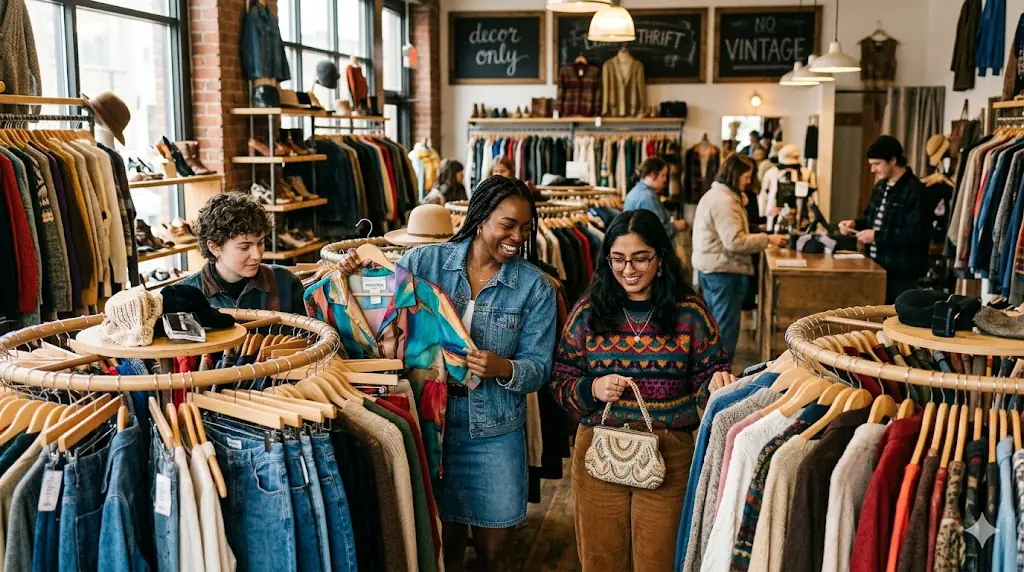
Buying secondhand products is no longer just a way to save a little money. It has become a shopping habit for people who want to spend wisely, find interesting products, and avoid unnecessary waste. From clothing and furniture to books and home accessories, pre-owned items can offer plenty of value when you know what to look for.
Many shoppers are also becoming more interested in where their products come from and how their purchasing decisions affect the environment. Instead of buying something new every time they need it, they are exploring thrift stores, vintage shops, and online resale marketplaces.
The benefits of shopping secondhand make this approach worth considering. You can discover products with character, spend less on everyday essentials, and give useful items another chance to be enjoyed. Here are ten reasons why secondhand shopping can be a smart addition to your lifestyle.
1. Spend Less on Things You Need
Saving money is one of the most obvious reasons to shop secondhand. Brand-new products can be expensive, particularly when you are buying clothing, furniture, or household essentials regularly.
Secondhand stores give shoppers an opportunity to find similar products at lower prices. A winter jacket, for example, might cost considerably less when purchased pre-owned than when bought from a regular clothing store.
This can make a difference for people who want to manage their monthly expenses without giving up things they need. You may also have more room in your budget for other priorities.
The key is to compare prices and avoid assuming that every used product is automatically a bargain. A reasonable price combined with good condition is what makes a purchase worthwhile.
2. Give Useful Products a Second Life
People often replace products even when those items are still perfectly usable. Sometimes clothing no longer fits, furniture does not match a new home, or someone simply wants something different.
Instead of allowing these products to sit unused or become waste, secondhand shopping gives someone else the opportunity to enjoy them.
This simple idea can make everyday consumption more responsible. A pre-owned table, handbag, or book may still have years of useful life ahead of it.
Choosing used products also reminds shoppers that something does not have to be new to be valuable. Sometimes the best purchase is an item that already exists and simply needs a new owner.
3. Discover Clothing That Feels Different
Finding something unique is part of the fun of secondhand shopping. Regular retail stores often carry similar styles, but thrift and vintage shops can offer a much wider mix of designs from different periods.
You might discover a classic leather jacket, an unusual sweater, or a vintage dress that you would not normally find in a shopping mall.
These pieces can help you create outfits that reflect your personality. You also have the freedom to experiment with styles without spending a large amount of money.
For anyone who enjoys fashion, searching through secondhand collections can feel like discovering hidden treasures. You never know what interesting piece might be waiting on the next rack.
4. Find Good-Quality Products for Less
A product being used does not necessarily mean it has lost its quality. Some people sell items that have been worn or used only a few times.
This creates opportunities to find well-maintained clothing, furniture, books, and household products at lower prices.
For example, solid furniture may remain useful for many years if it has been properly cared for. Similarly, a good-quality coat can still be a great purchase even if someone owned it before you.
Before buying, take a moment to inspect the item. Look for damage, loose stitching, missing parts, and signs of excessive wear. For electronic products, check that the important features work correctly.
A careful inspection can help you avoid disappointment and make a better decision.
5. Make More Responsible Fashion Choices
Fashion trends change quickly, and many people purchase new clothing simply because a particular style has become popular.
This habit can lead to crowded wardrobes and clothes that are rarely worn. Buying secondhand offers another way to enjoy fashion without constantly purchasing new collections.
You can find jeans, shirts, dresses, jackets, and accessories that are still in wearable condition. Mixing these pieces with clothing you already own can create fresh outfits without requiring a complete wardrobe makeover.
It is also a useful way to explore personal style. Instead of following every new trend, you can choose pieces that suit your taste and make you feel comfortable.
6. Make Home Decorating More Affordable
Creating a comfortable home does not always require expensive furniture and decorations. Secondhand stores can be useful places to look for tables, chairs, lamps, mirrors, shelves, and decorative pieces.
Sometimes older furniture has a design or character that is difficult to find in modern collections. A little cleaning or restoration may be enough to make a pre-owned piece fit beautifully into your home.
Secondhand decorations can also help you create a space that feels personal rather than copied from a showroom.
Before purchasing larger items, measure your room and check the product carefully. Pay attention to stability, material, odors, and any signs of pests or damage.
7. Reduce the Need for New Production
Making new products requires resources such as water, wood, cotton, metal, and energy. Manufacturing and transporting goods can also create environmental pressure.
When shoppers reuse suitable products, they help keep existing items in circulation instead of immediately replacing them.
For instance, buying a used bookshelf or a pre-owned winter coat can be a practical alternative to purchasing a new one.
The environmental benefit depends on the product, its condition, transportation, and how long it will remain useful. However, extending the life of existing goods is an important part of reducing unnecessary consumption.
8. Find Affordable Items for the Whole Family
Family expenses can increase quickly, especially when children need new clothes, shoes, toys, and school supplies.
Since children often outgrow their clothing in a short period, purchasing everything brand new may not always make financial sense.
Secondhand stores can offer affordable options for children’s books, clothing, and selected toys. Parents may find useful items that have only been lightly used.
Still, it is important to be selective. Check products for damage and look for safety information before purchasing children’s items. Avoid products with unknown safety histories, especially car seats, cribs, and other equipment designed to protect children.
With careful choices, families can reduce shopping costs while still finding useful everyday products.
9. Become a More Careful Shopper
Secondhand shopping can change the way you approach everyday purchases.
When you search for a pre-owned item, you naturally spend more time thinking about its condition, usefulness, and price. You may also begin questioning whether you really need something before buying it.
This can help reduce impulse shopping and unnecessary spending.
Over time, you may become more interested in products that last rather than items that are popular for only a short period. You can also learn to appreciate simple things instead of always looking for the newest version.
These habits can make shopping feel more purposeful and help you avoid filling your home with things you rarely use.
10. Help Local Shops and Community Organizations
Many secondhand products are sold through independent shops, charity stores, and local marketplaces.
Shopping at these locations can help small businesses and community organizations continue their work. Some charity shops use their earnings to support social programs or other local causes.
Neighborhood resale markets also make it easier for people to sell things they no longer need. One person’s unwanted furniture or clothing may be exactly what another person is looking for.
If you prefer supporting a particular cause, take a moment to learn about the organization behind the store. Different shops have different ways of using their earnings.
How to Shop Secondhand Without Making Mistakes
A little planning can make secondhand shopping much easier. You do not need to purchase the first attractive item you find. Taking your time often leads to better decisions.
Start by deciding what you actually need. This keeps your shopping focused and makes it easier to avoid unnecessary purchases.
Always inspect products before paying. Check clothing for stains, damaged fabric, and broken zippers. For furniture, look at the structure, joints, and overall condition.
It is also worth comparing prices with similar products available online. Some sellers charge more than expected for used items, so knowing the market price can help.
When shopping online, read the seller’s description carefully and look at actual product photographs. Check reviews and understand the return policy before completing an order.
Most importantly, choose products that you can genuinely use. A low price is not a good reason to buy something that will remain unused in your home.
Best Places to Find Secondhand Products
There are several ways to find pre-owned products, depending on what you want to buy.
Thrift stores are useful for finding affordable clothing, shoes, books, and everyday household items. Vintage shops are worth visiting if you enjoy older fashion styles and distinctive accessories.
Online resale marketplaces provide another convenient option. You can search by brand, product type, size, or location and compare different listings before making a decision.
Local garage sales and community markets are also worth exploring. These places sometimes have affordable furniture, decorations, tools, and other practical items.
Each shopping option has its own advantages. Exploring different places can help you discover better products and prices.
Conclusion
The benefits of shopping secondhand go beyond finding inexpensive products. It is an opportunity to make better use of existing items, discover unique styles, and become more thoughtful about everyday spending.
Whether you are looking for affordable clothing, home decorations, furniture, or books, pre-owned products can offer excellent value when you choose carefully.
You do not need to change all your shopping habits at once. Start with one or two items you need and explore the options available in your area. You may find that secondhand shopping is not only affordable but also an enjoyable way to shop more responsibly.
Frequently Asked Questions
1. Why should people consider shopping secondhand?
People should consider it because it can help save money, reduce unnecessary waste, and provide access to unique products that may not be available in regular stores.
2. What are the main benefits of shopping secondhand?
The main benefits include lower prices, less waste, unique fashion choices, affordable home decorations, and opportunities to support local resale businesses.
3. Is secondhand shopping a good way to save money?
Yes. Many used products cost less than comparable new items. However, it is important to compare prices and check quality before purchasing.
4. What should I check before buying secondhand clothing?
Look at the fabric, stitching, buttons, zippers, stains, and overall condition. Make sure the clothing fits properly and can be cleaned according to its care instructions.
5. Can secondhand shopping help the environment?
It can help by extending the useful life of products and potentially reducing demand for new manufacturing. The actual impact depends on individual shopping choices.
6. Where is the best place to buy secondhand products?
Thrift stores, vintage shops, online resale platforms, garage sales, and local community marketplaces are all useful places to find pre-owned products.
7. Is buying secondhand better than buying new?
It depends on the product and its condition. A well-maintained secondhand item can offer excellent value, while certain safety-related or hygiene-sensitive products may be better purchased new.