
Category: Travel

  • Best Travel Insurance Providers in 2026: Top Companies and Coverage Options

    Best Travel Insurance Providers in 2026: Top Companies and Coverage Options

    Traveling gives you the opportunity to explore new places, experience different cultures, and create lasting memories. However, unexpected events can turn an enjoyable trip into an expensive experience. A medical emergency, canceled flight, delayed baggage, or sudden change in travel plans can create financial stress when you are far from home.

    Travel insurance can help reduce some of these risks by providing financial protection for covered situations. Depending on the policy, benefits may include emergency medical expenses, trip cancellation, travel interruption, baggage protection, and emergency assistance.

    With many insurance companies offering different plans, choosing the right provider can feel confusing. The best travel insurance providers in 2026 are those that offer suitable coverage, clear policy terms, reliable assistance, and pricing that fits your budget. This guide explores several companies worth comparing and explains how to select a plan for your next journey.

    Why Travel Insurance Is Important

    Travel insurance can provide valuable protection when unexpected problems occur before or during a trip. Even a carefully planned vacation can be affected by illness, accidents, severe weather, or transportation disruptions.

    Medical coverage is particularly important for international travel. Healthcare expenses in another country can be substantial, and your regular health insurance may not cover treatment abroad or emergency transportation back home.

    Trip cancellation coverage can also be useful when a covered event prevents you from traveling as planned. Depending on the policy, eligible prepaid expenses that cannot be refunded by airlines, hotels, or tour operators may qualify for reimbursement.

    Other benefits may cover certain baggage losses, travel delays, or additional accommodation expenses. However, no policy covers every possible situation. Understanding the conditions and exclusions is essential before purchasing insurance.

    Top Travel Insurance Providers to Consider in 2026

    Several established companies offer travel insurance products in different markets. Their policies vary, so compare the plans available to residents of your country rather than assuming every product is offered everywhere.

    1. Allianz Travel Insurance

    Allianz Travel Insurance is a popular name to research when comparing travel protection. Depending on the market and selected plan, its products may include emergency medical benefits, trip cancellation, trip interruption, and assistance services.

    Travelers may be able to choose from different coverage levels according to their needs and budgets. Some plans focus on medical protection, while others combine several travel-related benefits.

    Allianz may be suitable for people who want to compare multiple types of coverage from an established provider. Before buying a policy, review the medical limits, cancellation conditions, deductibles, and exclusions.

    It is also important to understand how the claims process works and which documents you may need to provide if an unexpected event affects your trip.

    2. World Nomads

    World Nomads is an option frequently considered by independent travelers, backpackers, and people planning active holidays.

    Depending on the policy, coverage may include emergency medical expenses, certain travel interruptions, baggage-related benefits, and selected adventure activities.

    Travelers planning hiking trips or other outdoor adventures should examine the activity exclusions carefully. Some activities may require additional coverage, while others may not be covered at all.

    World Nomads may be worth comparing if your itinerary includes several destinations or activities beyond ordinary sightseeing. Check the eligibility rules, medical benefit limits, and conditions for purchasing or extending a policy.

    Because availability and terms can differ by country, confirm that the product is suitable for your residence and travel plans before applying.

    3. AXA Travel Insurance

    AXA offers travel insurance products in various countries, with benefits that depend on the selected plan and local availability.

    Depending on the policy, coverage may include emergency medical treatment, trip cancellation, travel interruption, baggage protection, and assistance services.

    AXA is worth considering if you want to compare different protection options for domestic or international travel. The most suitable plan will depend on your destination, trip duration, and the expenses you want to protect.

    Before purchasing, examine the policy limits and conditions for making a claim. Review whether medical evacuation, pre-existing conditions, and your planned activities are included or subject to restrictions.

    Checking the insurer’s emergency assistance arrangements can also help you understand what support may be available if a problem occurs abroad.

    4. International Medical Group (IMG)

    International Medical Group, commonly known as IMG, offers international insurance products, including travel medical coverage for eligible travelers.

    IMG may be worth researching if your main concern is obtaining medical protection while away from home. Different products may serve tourists, international visitors, and people taking longer journeys.

    It is important to distinguish travel medical insurance from comprehensive trip protection. A medical-focused plan may not provide the same cancellation, baggage, or travel delay benefits as a comprehensive policy.

    Compare deductibles, coverage limits, emergency evacuation provisions, and exclusions before selecting a product. Travelers with pre-existing medical conditions should confirm whether their circumstances qualify for coverage.

    5. Generali Global Assistance

    Generali Global Assistance offers travel protection plans in selected markets. Depending on the product, benefits may include trip cancellation, trip interruption, emergency medical expenses, and assistance services.

    This provider may appeal to travelers looking for several types of protection within one plan. However, the actual benefits and reimbursement limits depend on the policy purchased.

    When comparing Generali with other companies, review the reasons for cancellation that qualify for reimbursement, the amount of prepaid expenses covered, and any requirements for purchasing the policy.

    Do not assume that changing your mind or deciding not to travel automatically qualifies for a refund. Cancellation benefits generally depend on the specific circumstances described in the policy.

    These providers are starting points for research rather than a definitive ranking. Availability, prices, and benefits can change, so verify current details directly with each company.

    Types of Travel Insurance Coverage to Understand

    Knowing the main coverage categories can help you compare policies more effectively.

    Emergency medical coverage may help pay for eligible medical treatment following an illness or injury during a trip. Check the maximum benefit, deductible, and applicable exclusions.

    Emergency medical evacuation may cover medically necessary transportation to an appropriate medical facility under the policy’s conditions.

    Trip cancellation coverage may reimburse certain prepaid, non-refundable travel expenses when a covered event prevents departure.

    Trip interruption coverage may help with eligible expenses if a covered event forces you to end a trip early or change your arrangements.

    Baggage protection may provide benefits for qualifying incidents involving lost, stolen, damaged, or delayed luggage.

    Travel delay coverage may reimburse certain additional expenses when a qualifying delay disrupts your itinerary.

    Not all plans include every benefit. Some policies also impose specific limits, waiting periods, or documentation requirements.

    How to Select the Best Travel Insurance Plan

    Start by considering your destination and the length of your trip. A short domestic vacation may require different protection from an extended international journey.

    Next, examine any insurance you already have. Your health plan, credit card, employer benefits, or existing travel policy may offer some coverage. Check the limits carefully because certain benefits may apply only when specific booking or payment conditions are met.

    Compare prices using similar coverage levels. A cheaper plan may have a higher deductible, lower medical limits, or fewer covered cancellation reasons.

    If you have a pre-existing medical condition, read the policy’s medical eligibility rules. Some plans have stability requirements or exclusions that could affect your coverage.

    Finally, review customer support arrangements, emergency contact details, and the claims process. Keep your policy documents accessible during the trip and save the insurer’s emergency telephone number.

    What Affects the Cost of Travel Insurance?

    The price of travel insurance depends on several factors. These can include your age, destination, trip duration, total prepaid travel costs, medical coverage limits, and selected benefits.

    A basic policy with limited protection may cost less than a comprehensive plan that covers both medical emergencies and eligible prepaid expenses.

    Older travelers and people taking longer trips may pay higher premiums, depending on the insurer’s pricing rules and the coverage selected.

    To find suitable value, request quotes from several providers using the same trip details. Compare not only the premium but also the deductible, coverage limits, exclusions, and benefits.

    The lowest-priced policy is not necessarily the best option. A slightly more expensive plan may provide more appropriate protection for your particular journey.

    Frequently Asked Questions

    Which travel insurance provider is best in 2026?

    The best provider depends on your country of residence, destination, budget, and coverage needs. Allianz, World Nomads, AXA, IMG, and Generali are examples worth comparing.

    Does travel insurance cover medical emergencies abroad?

    Many policies include emergency medical coverage, but the amount and conditions vary. Review the benefit limits, exclusions, and requirements before purchasing.

    Should I buy travel insurance for a short vacation?

    Even a short trip can involve unexpected medical expenses or travel disruptions. Whether insurance is worthwhile depends on your existing protection, destination, and financial circumstances.

    When should I purchase travel insurance?

    Buying a policy soon after making eligible travel bookings may help you qualify for certain time-sensitive benefits. Check the insurer’s purchase deadlines and eligibility requirements.

    Conclusion

    Choosing the best travel insurance provider in 2026 requires careful comparison of medical protection, cancellation benefits, policy exclusions, and overall cost. Allianz Travel Insurance, World Nomads, AXA, IMG, and Generali are useful starting points when researching available plans.

    Before making a decision, consider your destination, travel activities, existing insurance, and the expenses you want to protect. Read the policy documents carefully and confirm that the selected plan is available to travelers in your country.

    With the right preparation, travel insurance can help reduce the financial impact of certain unexpected events and make it easier to manage problems during your journey.

  • Best Travel Rewards Credit Cards in Canada for 2026: Top Picks and Benefits

    Best Travel Rewards Credit Cards in Canada for 2026: Top Picks and Benefits

    Travel rewards credit cards can make everyday purchases more valuable by helping Canadians earn points toward future trips. Depending on the card, rewards may be used for flights, hotel stays, rental cars, and other eligible travel expenses. Some cards also include benefits such as travel insurance, airport lounge access, or savings on purchases made abroad.

    With several options available in Canada, finding the right card can take some research. A card with a generous welcome bonus may look attractive, but its annual fee, everyday earning rates, and redemption rules are equally important. The best choice is one that matches your spending habits and travel preferences.

    Whether you travel internationally several times a year or take an occasional family vacation, comparing your options can help you find a card that offers practical value. Here is a closer look at some travel rewards credit cards to consider in 2026.

    How Travel Rewards Credit Cards Work

    Travel rewards credit cards let you collect points or miles when you make eligible purchases. The number of rewards you earn depends on the card’s earning structure and the type of purchase.

    Some cards provide higher rewards on groceries, restaurants, entertainment, or travel bookings. Others focus on airline purchases or hotel stays. Once you accumulate enough points, you may be able to redeem them for eligible travel expenses or other rewards.

    Flexible rewards programs are useful for travelers who prefer different airlines and hotels. Airline-linked programs can be more suitable for people who regularly fly with the same carrier.

    Before applying, understand how the rewards program works. Check redemption restrictions, point expiration policies, booking requirements, and any extra charges. These details can make a significant difference in the actual value you receive.

    Top Travel Rewards Credit Cards in Canada for 2026

    Several Canadian credit cards offer features worth comparing. The right option depends on whether you prioritize everyday rewards, airline benefits, international spending, or flexible travel bookings.

    1. Scotiabank Gold American Express Card

    The Scotiabank Gold American Express Card is an option for Canadians who want to earn Scene+ points through eligible everyday spending. It may appeal to people who frequently spend on groceries, dining, entertainment, and travel.

    One of its notable features is the absence of foreign transaction fees on eligible foreign-currency purchases, subject to the card’s terms. This can be helpful for people who regularly shop internationally or travel outside Canada.

    The card also includes certain travel insurance benefits. Coverage limits, eligibility requirements, and exclusions apply, so reviewing the insurance documents before relying on these protections is important.

    Consider the annual fee and the rewards you can realistically earn. Also check whether American Express is accepted at the stores and restaurants you use most often.

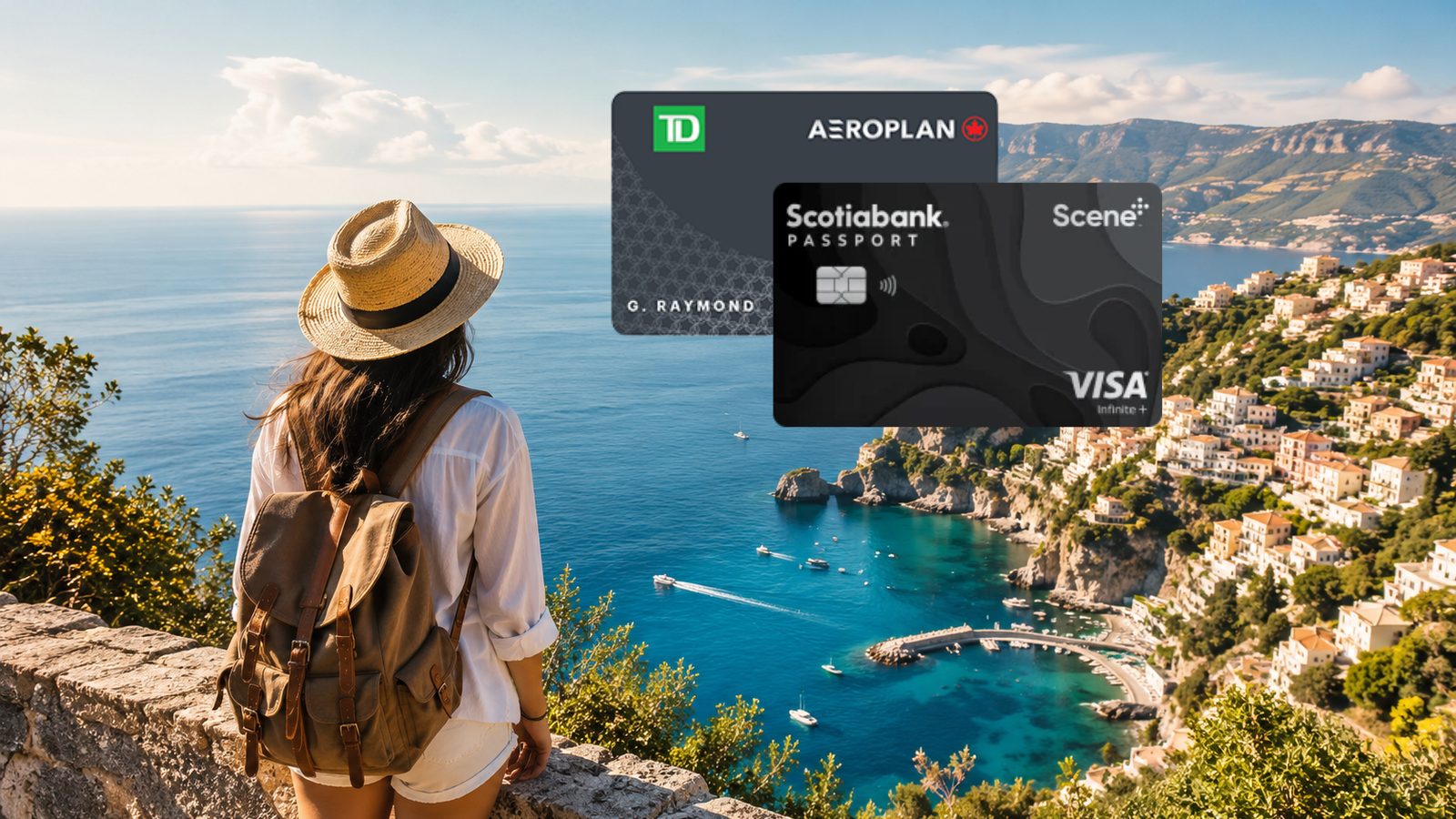
    2. Scotiabank Passport Visa Infinite Card

    The Scotiabank Passport Visa Infinite Card may suit frequent travelers who want flexible rewards and additional travel-related benefits.

    Card features include Scene+ rewards, airport lounge access subject to program conditions, and no foreign transaction fees on eligible purchases made in foreign currencies. These benefits may be particularly useful for people who travel internationally.

    However, a card’s value depends on how often you use its features. Airport lounge access may be attractive to frequent flyers but less useful to someone who takes only one short trip each year.

    Review the annual fee, current welcome offer, eligibility requirements, and insurance provisions before applying. Comparing these costs with your expected benefits can help you decide whether the card makes financial sense.

    3. American Express Cobalt Card

    The American Express Cobalt Card is worth considering for Canadians who spend regularly on eligible food and dining purchases.

    Its Membership Rewards program offers different earning rates across selected spending categories. Depending on the applicable program rules, points may provide access to travel-related redemption options.

    This card may be a good fit for people who want to earn rewards throughout the year rather than relying mainly on travel bookings. Everyday purchases can gradually build a points balance for future use.

    However, merchant acceptance is an important consideration. Not every business accepts American Express, so think about where you normally shop before choosing this card.

    Compare the monthly fee, eligible purchase categories, and current rewards terms to determine whether it suits your budget.

    4. TD Aeroplan Visa Infinite Card

    The TD Aeroplan Visa Infinite Card is designed for people interested in earning Aeroplan points. It may be particularly appealing to travelers who frequently fly with Air Canada or use the Aeroplan loyalty program.

    Eligible purchases earn points that can be redeemed for qualifying rewards under the program’s rules. Depending on the current card terms, additional airline-related benefits may also be available.

    An airline-focused card can be useful when your travel habits consistently align with one loyalty program. However, it may offer less flexibility if you regularly choose different airlines based on price or destination.

    Before applying, review the annual fee, earning rates, welcome bonus, eligibility requirements, and redemption conditions. Check whether the benefits match the way you normally book flights.

    5. TD First Class Travel Visa Infinite Card

    The TD First Class Travel Visa Infinite Card offers another option for Canadians who want to earn travel-related rewards from everyday spending.

    Through the TD Rewards program, eligible purchases can generate points that may be redeemed according to the program’s terms. This can appeal to people who prefer a bank-based rewards system rather than a program connected to one airline.

    When evaluating this card, examine the current earning rates, annual fee, welcome offer, and travel redemption process. Check whether booking restrictions or other conditions affect how you can use your points.

    As with any rewards card, the introductory offer should not be the only deciding factor. Long-term earning potential and the benefits you expect to use are equally important.

    Card offers, fees, eligibility criteria, and benefits may change. Confirm all current details directly with the card issuer before applying.

    How to Choose a Card That Matches Your Travel Style

    Start by thinking about the kind of trips you take. If you frequently fly with Air Canada, an Aeroplan card may be worth comparing with other options. If you prefer choosing whichever airline offers the best price, a flexible rewards program may be more suitable.

    Your everyday spending also matters. A card that rewards groceries and restaurants may help you earn points steadily without changing your routine.

    Next, compare annual fees. A premium card may provide valuable benefits, but those benefits are only worthwhile if you use them. Estimate the value of the rewards you expect to earn and compare it with the card’s total cost.

    Pay attention to reward redemption rules as well. The number of points earned does not tell the whole story. Consider how much travel you can obtain with those points, whether availability is restricted, and whether additional taxes or fees apply.

    Finally, review the card’s eligibility requirements. Income criteria, credit history, and other conditions may affect whether you qualify.

    Travel Benefits Worth Comparing

    Rewards points are only one part of a travel credit card’s value. Additional features can help protect you against unexpected expenses or make a journey more convenient.

    Travel medical insurance: Some cards offer emergency medical coverage when you meet the policy conditions. Review age limits, trip duration restrictions, and exclusions.

    Trip cancellation and interruption coverage: This may provide protection for certain covered events that affect travel plans. The circumstances and reimbursement limits depend on the policy.

    Rental car insurance: Certain cards include coverage for eligible rental vehicles. Check the vehicle restrictions, rental period limits, and payment requirements.

    Airport lounge access: Some cards provide lounge visits through a participating program. Confirm the number of visits allowed and any guest fees or registration requirements.

    Foreign transaction fees: Cards that waive these fees on eligible purchases may help reduce international spending costs. Check the exact terms and any currency conversion charges.

    Never assume that every card includes all these benefits. Read the official terms before making a decision.

    Tips for Maximizing Your Travel Rewards

    The most effective way to benefit from a rewards card is to use it responsibly. Pay your statement balance in full by the due date whenever possible. Interest charges can easily outweigh the value of the rewards you earn.

    Use your card for regular expenses you can afford rather than making unnecessary purchases to collect more points. Track your rewards balance and learn the program’s redemption rules before booking a trip.

    Compare the cash price of a flight or hotel with the value offered through your rewards program. A redemption that uses many points may not always provide the best value, especially when additional fees apply.

    You should also review your card periodically. If you stop traveling frequently or your spending patterns change, another card may suit you better. Before closing an account or applying for several new cards, consider the potential effect on your credit profile.

    Frequently Asked Questions

    What is the best travel rewards credit card in Canada for 2026?

    The best card depends on your needs. Scotiabank Gold American Express may suit people seeking everyday rewards and no foreign transaction fees, while TD Aeroplan Visa Infinite may appeal to frequent Air Canada travelers. Verify current terms before applying.

    Are travel rewards credit cards worth the annual fee?

    They can be worthwhile if the rewards and benefits you actually use exceed the annual fee. Calculate your likely value instead of relying solely on advertised bonuses.

    Can I use travel rewards for flights and hotels?

    Many programs allow eligible travel redemptions, but the available options vary. Review the program’s rules to understand how points can be used and whether additional charges apply.

    Do Canadian travel credit cards include travel insurance?

    Some do, but coverage differs by card. Read the insurance certificate to understand limits, exclusions, eligibility conditions, and how to make a claim.

    Conclusion

    The best travel rewards credit cards in Canada for 2026 offer different advantages for different types of travelers. Options such as the Scotiabank Gold American Express Card, Scotiabank Passport Visa Infinite Card, American Express Cobalt Card, and TD Aeroplan Visa Infinite Card are worth researching when comparing rewards and travel benefits.

    Before choosing a card, consider its annual fee, everyday earning rates, redemption flexibility, insurance coverage, and foreign transaction fees. Select an option that complements your existing spending habits rather than encouraging you to spend more.

    With careful comparison and responsible credit management, a suitable travel rewards card can help you earn useful benefits while preparing for future adventures.

  • Canada Mexico Travel Warning 2026: Latest Advisories and Safety Tips

    Canada Mexico Travel Warning 2026: Latest Advisories and Safety Tips

    Mexico continues to attract Canadian travelers looking for sunny beaches, exciting cities, cultural experiences, and relaxing vacations. From the resorts of CancĂșn to the historic streets of Mexico City, the country offers a wide range of places to explore. However, anyone planning a visit in 2026 should understand the latest travel advice and take time to prepare for potential safety concerns.

    A Canada Mexico travel warning refers to information and recommendations provided by Canadian authorities about possible risks when visiting Mexico. These advisories help travelers understand local security conditions, identify areas that may require extra caution, and make informed decisions before departure.

    Travel conditions can change quickly, and safety levels are not the same throughout the country. Checking official government updates is therefore an essential step when organizing a vacation. This guide explains what Canadian travelers should know about Mexico travel advisories, how to prepare for their journey, and where to find reliable information.

    What Does the Canada Mexico Travel Warning Mean?

    The Government of Canada publishes destination-specific travel advice to help citizens prepare for international trips. Its Mexico advisory provides information about security risks, regional conditions, and precautions that visitors should consider.

    Depending on the circumstances, the guidance may address violent crime, theft, demonstrations, transportation disruptions, severe weather, and other potential concerns. It may also identify specific areas where travelers should exercise a high degree of caution or avoid non-essential travel.

    A travel advisory should not be interpreted as a statement that every destination in Mexico presents the same level of danger. The situation in a major tourist resort may differ considerably from conditions in a rural community or a particular border region.

    Travelers should read the full advisory instead of relying on a headline or a brief social media post. Pay attention to the locations mentioned, the recommended precautions, and the date of the latest update.

    It is also important to remember that an advisory is not a guarantee of what will happen during a trip. Conditions may change after a traveler has booked a hotel or arrived at a destination. Staying informed throughout the journey is just as important as checking information before leaving Canada.

    Why Mexico Travel Safety Matters in 2026

    Mexico offers attractive holiday options for people with different budgets and interests. Visitors can enjoy coastal resorts, historical attractions, traditional cuisine, outdoor activities, and vibrant local markets. Nevertheless, travelers should understand the potential risks associated with their chosen destinations.

    Crime is one of the main subjects covered by many international travel advisories. Depending on the area, visitors may encounter theft, robbery, scams, vehicle-related crime, or more serious security incidents.

    Transportation can also become a concern when local conditions change. An incident in a particular area may affect road access, public transportation, or travel between nearby destinations. Travelers who plan to visit several cities should check route information before setting off.

    Weather conditions deserve attention as well. Tropical storms, hurricanes, heavy rainfall, and extreme temperatures can affect some parts of Mexico at different times of the year. These conditions may cause flight delays, temporary closures, or changes to outdoor activities.

    The best approach is to assess the information relevant to your own itinerary. Rather than making assumptions about the entire country, review current guidance for each destination and prepare accordingly.

    Mexico Destinations Canadian Tourists Should Research

    Mexico has a wide variety of destinations, and each location has its own travel considerations. Popular places include CancĂșn, Playa del Carmen, Tulum, Puerto Vallarta, Los Cabos, and Mexico City.

    These destinations attract visitors for different reasons. Some are known for beach resorts, while others offer restaurants, museums, nightlife, shopping, and cultural attractions. However, popularity does not eliminate the need to follow safety advice.

    Before booking accommodation, research the neighborhood where you plan to stay. Check the distance to major attractions, transportation options, and any regional recommendations listed in the Canadian government’s travel advisory.

    If your vacation includes a road trip, review advice for the areas along your route as well as your final destination. Conditions may vary between cities and neighboring regions.

    Avoid relying on outdated travel articles that may describe circumstances from a previous year. An area that received attention in an older news report may have different conditions today, while new concerns may arise elsewhere.

    For the most accurate picture, consult the official Mexico advisory at Travel.gc.ca and review any location-specific information that applies to your plans.

    Practical Safety Tips for Canadians Traveling to Mexico

    A little preparation can make international travel easier and help reduce common risks. Canadian visitors should begin by keeping important documents secure.

    Store your passport, payment cards, and identification in a safe place. Carry only the items you need during daily outings, and keep copies of important documents separately from the originals.

    Choose transportation carefully. Use reputable providers and confirm that a vehicle and driver match your booking before getting in. If you use a taxi or ride-hailing service, follow the provider’s recommended safety procedures.

    Be aware of your surroundings in crowded places, including markets, transportation hubs, tourist attractions, and nightlife areas. Keep your phone and valuables secure, and avoid displaying large amounts of cash.

    When exploring after dark, choose well-used routes and reliable transportation. Ask your hotel or another trusted local source about getting around safely and whether particular areas require extra caution.

    Travelers renting a car should review local driving requirements, insurance conditions, and current advice about their intended route. Avoid making assumptions about road safety simply because a journey appears short on a map.

    It is also sensible to share your travel plans with a trusted person at home. Keep your phone charged, save important contact numbers, and know how to contact local emergency services if necessary.

    Travel Insurance and Medical Preparation

    Travel insurance can provide important financial protection during a vacation. Medical care, emergency transportation, canceled flights, and unexpected accommodation expenses can be costly when traveling abroad.

    Before buying a policy, read its terms and conditions carefully. Check the limits for emergency medical expenses, hospital treatment, medical evacuation, trip interruption, and cancellation.

    Pay particular attention to exclusions involving government travel advisories. Some policies restrict coverage under certain circumstances when travelers visit destinations against official recommendations. The exact conditions depend on the insurer and the policy, so ask questions before purchasing coverage.

    Keep your insurer’s emergency number and policy details accessible while traveling. A digital copy can be convenient, but having an additional copy available offline is helpful if your internet connection fails.

    If you take prescription medication, plan ahead to ensure you have an appropriate supply for the trip. Research any applicable rules for carrying medication across international borders.

    It is also useful to identify reputable medical facilities near your accommodation. Travelers with specific medical needs should discuss their preparations with a qualified healthcare professional before departure.

    What to Check Before Leaving Canada

    A successful trip begins with research and realistic planning. Before departing, review the following details.

    Official travel advice: Read the current Canadian government advisory for Mexico. Check the overall recommendations and any regional warnings relevant to your itinerary.

    Passport and entry requirements: Confirm that your travel documents meet the applicable requirements. Check whether additional documentation is needed for your nationality, purpose of travel, or length of stay.

    Flights and accommodation: Review airline updates, hotel policies, and cancellation terms. Flexible arrangements may help if unexpected changes affect your plans.

    Local transportation: Research how you will travel between the airport, hotel, and planned attractions. If you intend to drive, check current guidance for the roads you expect to use.

    Emergency contacts: Save the contact information for your accommodation, insurance provider, and relevant emergency services. Canadian travelers should also know where to find consular assistance.

    Weather forecasts: Check conditions close to your departure date, particularly if your itinerary includes beaches, outdoor activities, or travel during storm-prone seasons.

    Completing these checks can help you identify potential problems before they disrupt your holiday.

    Where to Find Reliable Mexico Travel Updates

    For Canadian citizens, the Government of Canada’s official travel advice website is the most important starting point.

    Visit Travel.gc.ca and search for Mexico. The official advisory provides country-specific guidance, safety recommendations, regional information, and details about obtaining assistance abroad.

    Airlines can provide information about flight changes and airport disruptions. Hotels and reputable local service providers may also share useful updates about their immediate area, although their information should not replace official government advice.

    Check the advisory shortly before your departure and continue monitoring relevant updates during your stay. If authorities issue new instructions, follow them and reconsider your plans when necessary.

    For serious emergencies, contact local emergency services. If you need help from Canadian officials, consult the Government of Canada’s official information about consular assistance.

    Avoid treating viral videos, anonymous posts, or isolated news reports as complete descriptions of conditions throughout Mexico. Use reliable sources to confirm what is happening and whether it affects your destination.

    Frequently Asked Questions

    Is Mexico safe for Canadian travelers in 2026?

    Conditions differ by region and can change over time. Many Canadians travel to Mexico, but visitors should review the latest government advice, research their destination, and take appropriate precautions.

    Where can I check the latest Canada Mexico travel warning?

    Visit Travel.gc.ca and search for Mexico. The Government of Canada’s advisory is the recommended source for current official travel guidance.

    Do travel warnings mean Canadians should cancel their vacations?

    Not necessarily. The appropriate decision depends on the advisory’s specific recommendations, the destination, and individual circumstances. Travelers should review official guidance and contact their airline, tour operator, or insurer when needed.

    Should I buy travel insurance before visiting Mexico?

    Travel insurance is worth considering because medical treatment and unexpected travel disruptions can be expensive. Compare policies carefully and understand any exclusions related to travel advisories.

    Can Mexico travel advisories change during a vacation?

    Yes. Government recommendations can change when security conditions, weather events, or other circumstances develop. Monitor official updates and follow instructions from local authorities.

    Conclusion

    The Canada Mexico travel warning is an important topic for Canadians planning an international vacation in 2026. Understanding official recommendations, researching individual destinations, arranging suitable insurance, and preparing for emergencies can help travelers make better-informed decisions.

    Mexico offers a broad range of experiences, from relaxing beach holidays to cultural attractions and exciting city visits. However, responsible planning is essential, especially when local conditions may change.

    Before leaving Canada, check the latest advisory from the Government of Canada, review any regional guidance that applies to your itinerary, and remain aware of developments during your stay. With careful preparation and sensible precautions, you can approach your travel plans with greater confidence.