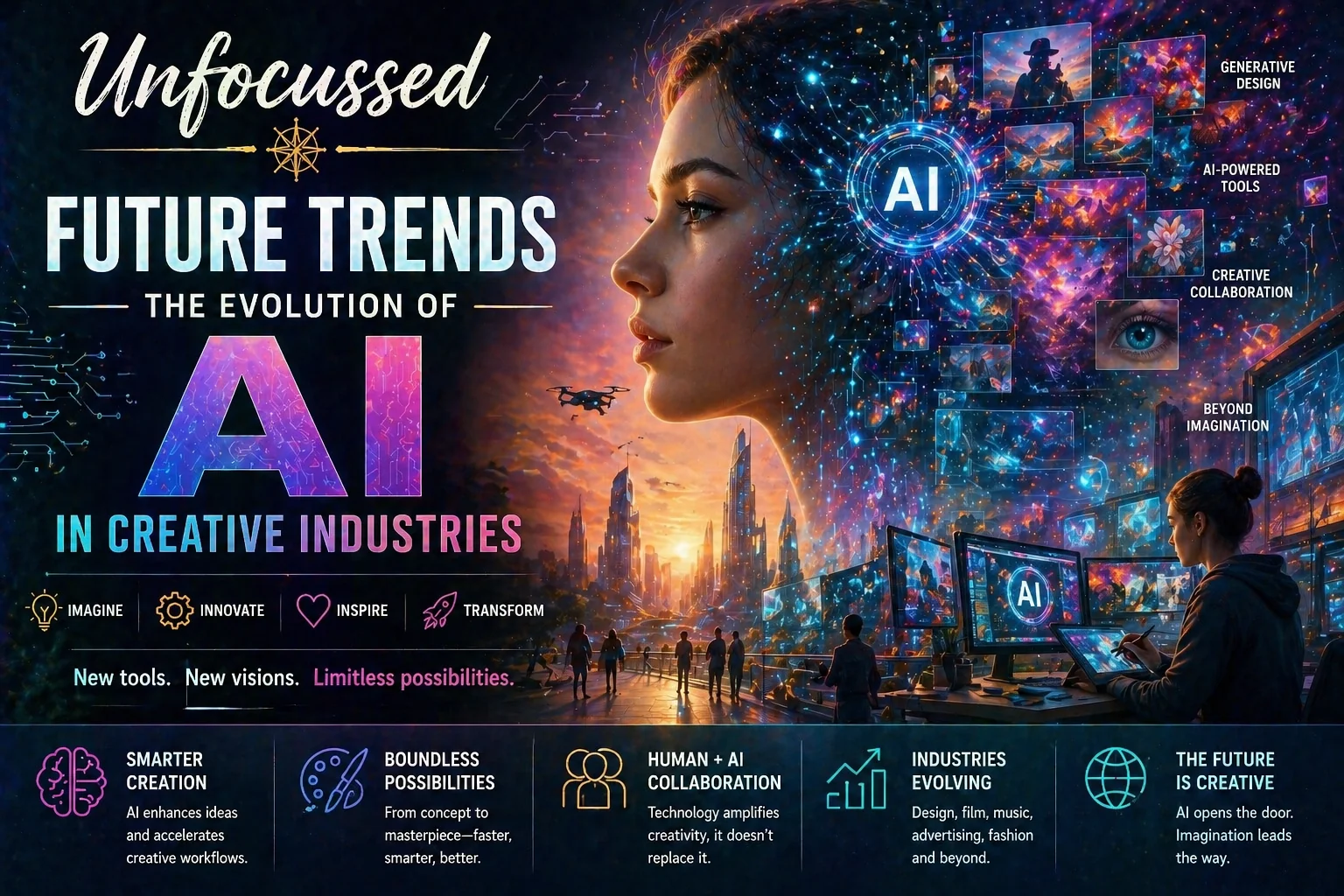
The digital world is changing rapidly, and visual content has become an essential part of our everyday lives. From websites and social media to digital marketing and online education, images help people understand information and connect with ideas. As technology continues to advance, the concept of a future image is becoming increasingly popular among designers, content creators, businesses, and technology enthusiasts.
A future image can represent an imaginative view of tomorrow, a futuristic environment, or a digital picture created with advanced tools such as artificial intelligence. These images allow people to explore creative possibilities and communicate ideas that may be difficult to capture through traditional photography.
Whether you are a blogger, designer, business owner, or digital artist, understanding future image trends can help you create more engaging visual content. In this article, we will explore the meaning of future images, the role of AI, their benefits, SEO optimization techniques, and the trends shaping the future of digital creativity.
What Is a Future Image?
A future image is a visual representation of futuristic ideas, advanced technology, or possible developments in the world. It may include modern cities, intelligent machines, futuristic transportation, space exploration, smart homes, or innovative architectural designs.
Today, creating these images is easier than ever. Digital design applications and AI image generators allow users to transform simple descriptions into detailed visual concepts. Instead of needing advanced drawing skills, creators can begin with an idea and develop it into an image using suitable digital tools.
For example, someone interested in future technology might create an image of a sustainable city filled with green buildings, electric vehicles, and renewable energy systems. Another creator might imagine how classrooms, offices, or homes could look several decades from now.
Future images are useful for creative projects, educational materials, advertising campaigns, website design, presentations, and digital storytelling. They help people visualize possibilities and make complex concepts easier to understand.
How Artificial Intelligence Is Transforming Future Images
Artificial intelligence has introduced new ways to create and edit digital images. AI-powered tools can interpret written descriptions and generate visuals based on the instructions provided by users.
This technology gives creators the freedom to experiment with different styles, colors, lighting conditions, and environments. A person can describe a futuristic city at sunset or an advanced robotic workspace and use an AI image generator to develop an initial visual concept.
One major advantage of AI image creation is speed. Tasks that previously required extensive manual work can sometimes be completed much faster with the assistance of intelligent tools.
AI technology also supports creative experimentation. Users can explore multiple versions of an idea, compare different compositions, and refine their preferred results.
However, AI-generated images still require human judgment. Some tools may produce inaccurate details, distorted objects, or unrealistic elements. Reviewing and editing the final image helps ensure that it meets the intended purpose.
The best results often come from combining technological assistance with human creativity, clear instructions, and careful editing.
Why Future Images Are Important for Digital Content
Visual content plays a significant role in attracting attention and communicating information online. A relevant image can make an article more interesting, help explain a difficult topic, and create a stronger connection between the content and its audience.
Future images are particularly useful for subjects related to technology, innovation, science, architecture, and digital transformation. They allow writers and businesses to present ideas that do not yet exist in the real world.
For example, a technology blog can use futuristic visuals to explain emerging innovations. A business website might feature modern digital artwork to communicate creativity and progress. Educational websites can use conceptual images to introduce topics such as space travel, robotics, and sustainable living.
When images are selected carefully, they can improve the overall reading experience and make content easier to remember.
Future Image and Search Engine Optimization
Search engine optimization, commonly known as SEO, helps search engines understand website content and connect it with relevant searches. Images can support this process when they are relevant, accessible, and properly optimized.
If you publish an article about future images, consider the following SEO practices.
Use the Focus Keyword Naturally
The keyword “Future Image” should appear in relevant places, including the title, introduction, and selected headings where appropriate. Use it naturally throughout the article rather than repeating it in every paragraph.
Related phrases such as AI-generated images, futuristic digital art, image technology, and visual content creation can also help explain the topic more comprehensively.
Optimize Image File Names
Give each image a descriptive filename before uploading it to your website. For example, future-image-ai-technology.webp provides more information than a generic filename such as image001.jpg.
The filename should accurately describe the image rather than simply contain keywords.
Write Meaningful Alt Text
Alternative text, or alt text, describes an image for people who cannot see it and helps software interpret its content.
For example, an image showing a modern city with green skyscrapers and autonomous transportation might use the alt text “Futuristic city with green skyscrapers and advanced transportation.”
Only include the focus keyword when it genuinely describes the visual. Avoid keyword stuffing or using identical alt text for unrelated images.
Improve Image Loading Speed
Large image files can slow down a website and affect the user experience. Compress images appropriately and consider formats such as WebP or AVIF when supported by your website platform.
Also, use suitable image dimensions and responsive layouts so visuals display properly on mobile phones, tablets, and desktop computers.
Publish Helpful and Relevant Content
Images work best when they support informative written content. Explain the subject clearly, answer common reader questions, and make sure each visual adds value to the page.
Image optimization can support SEO, but it does not guarantee higher rankings. Search performance also depends on content quality, relevance, technical factors, and competition.
Popular Future Image Trends
The world of digital imagery continues to evolve as new tools and creative techniques become available. Several trends are influencing how future images are created and used.
AI-generated artwork: AI tools help creators transform written ideas into illustrations, concept art, and imaginative scenes.
Futuristic city designs: Smart buildings, sustainable architecture, and advanced transportation systems are popular themes in conceptual imagery.
Realistic digital rendering: Improved rendering techniques allow designers to create detailed visual representations for architecture, entertainment, and product development.
Immersive visual experiences: Augmented reality and virtual reality are creating new opportunities for interactive digital environments.
Personalized visual content: Businesses are exploring ways to adapt visual materials for different audiences, campaigns, and platforms.
Environment-focused imagery: Images featuring renewable energy, green buildings, and sustainable cities help communicate ideas about environmental innovation.
These trends demonstrate how future images can support a wide range of creative and professional activities.
Benefits of Using Future Images for Marketing
Businesses increasingly rely on visual content to explain products, communicate their identity, and attract potential customers. Future images can be especially useful for brands associated with technology, innovation, design, and modern lifestyles.
A technology company might use futuristic artwork to introduce a new product concept. A renewable energy business could feature an imagined sustainable city to illustrate its vision for the future. A digital agency might use modern visuals to demonstrate its creative approach.
Some important benefits include:
- Stronger visual communication: Images can help explain complicated ideas in an accessible way.
- Creative storytelling: Futuristic scenes allow brands to present imaginative concepts.
- Flexible content creation: Digital images can be adapted for websites, presentations, and social media.
- Consistent branding: A coordinated visual style can help maintain a recognizable brand identity.
- Audience engagement: Relevant visuals can make digital content more appealing to readers.
To achieve these benefits, businesses should focus on relevance and authenticity. An image should support the message rather than distract the audience with unnecessary visual effects.
How to Create a High-Quality Future Image
Creating an effective future image begins with a clear purpose. Before using a design application or AI generator, decide what you want the image to communicate and who will view it.
First, choose a specific concept. You might want to visualize a futuristic home, an advanced city, a space station, or a workplace powered by intelligent technology.
Next, write a detailed description of the scene. Include important objects, the environment, lighting, colors, composition, and preferred visual style. Clear instructions can help an AI tool produce results that better match your expectations.
After generating or designing the image, review it carefully. Check for visual inconsistencies, unnecessary details, distorted objects, and elements that do not match your original idea. Make adjustments where needed.
Finally, prepare the image for its intended use. Website banners may need a wide format, while social media graphics may work better in square or vertical dimensions. Optimize the file size and add suitable alt text before publishing it online.
Remember that a high-quality image is not necessarily the most complicated one. A simple, relevant visual can communicate an idea more effectively than an overly detailed design.
Challenges and Ethical Considerations
Although future image technology offers many creative opportunities, it also introduces challenges that creators should understand.
AI-generated visuals may sometimes contain inaccurate details or unrealistic representations. When images are used for education, journalism, product promotion, or professional communication, accuracy is especially important.
Copyright and licensing are also important considerations. Before publishing or selling an image, review the terms of the tool used to create it and make sure your intended use is permitted.
Creators should also avoid presenting fictional images as authentic photographs of real events. When necessary, clearly identify conceptual or AI-generated visuals so that audiences can understand what they are viewing.
Responsible image creation involves more than technical skill. It requires transparency, respect for other creators, and careful consideration of how visual content may influence people.
The Future of Image Technology
The future of image technology will likely involve closer collaboration between human creativity and intelligent digital systems. As tools improve, creators may gain more control over image composition, visual consistency, editing, and personalization.
Businesses could use advanced visual tools to explore product concepts before manufacturing begins. Architects may develop more detailed representations of proposed buildings, while educators could create illustrations that make complex subjects easier to understand.
Digital artists may also discover new ways to combine traditional techniques with AI-assisted workflows. These developments could make visual creation more accessible to people with different levels of experience.
Nevertheless, technology alone will not determine the value of an image. Creativity, originality, accuracy, and audience needs will continue to influence how visual content is received.
The most successful creators will be those who use modern tools thoughtfully while maintaining a clear purpose and a distinct creative perspective.
Frequently Asked Questions About Future Image
What does the term Future Image mean?
Future Image can refer to a visual representation of the future, futuristic digital artwork, or an image created using modern technologies such as artificial intelligence and digital rendering.
How can I create a future image online?
You can use an AI image generator or a digital design application. Describe the scene you want, choose a suitable visual style, generate or design the image, and refine it before downloading.
Are future images useful for SEO?
Yes. Relevant images with descriptive filenames, useful alt text, and optimized file sizes can improve accessibility and support a better website experience. However, images alone cannot guarantee search engine rankings.
Can I use AI-generated future images on my website?
You may be able to use AI-generated images on your website, depending on the tool’s licensing terms and applicable laws. Always review usage permissions and check the final image for errors.
What are the best topics for future image content?
Popular topics include futuristic cities, AI technology, smart homes, robotics, space exploration, sustainable architecture, digital innovation, and the future of transportation.
How often should I use the keyword Future Image?
Use the keyword where it naturally fits the article, such as the title, introduction, and a relevant heading. There is no universal ideal keyword density. Prioritize readability and useful information instead of repeating the phrase unnecessarily.
Final Thoughts
Future image technology is creating exciting opportunities for visual storytelling, digital marketing, education, and creative expression. With the help of artificial intelligence and modern design tools, people can transform imaginative ideas into engaging visuals that communicate concepts about tomorrow’s world.
For bloggers and website owners, creating valuable content means combining relevant images with clear writing, thoughtful SEO practices, and a positive user experience. Descriptive filenames, accurate alt text, optimized image sizes, and meaningful context can all contribute to a well-organized website.
At the same time, creators should pay attention to authenticity, licensing, and responsible use of AI-generated content. These practices help build trust and ensure that images serve a genuine purpose.
Ultimately, the future of image creation is not only about advanced technology. It is about using that technology to express ideas, solve communication challenges, and inspire audiences. By balancing innovation with human creativity, anyone can explore the possibilities of future images and create visual content that is informative, engaging, and relevant.
Leave a Reply